

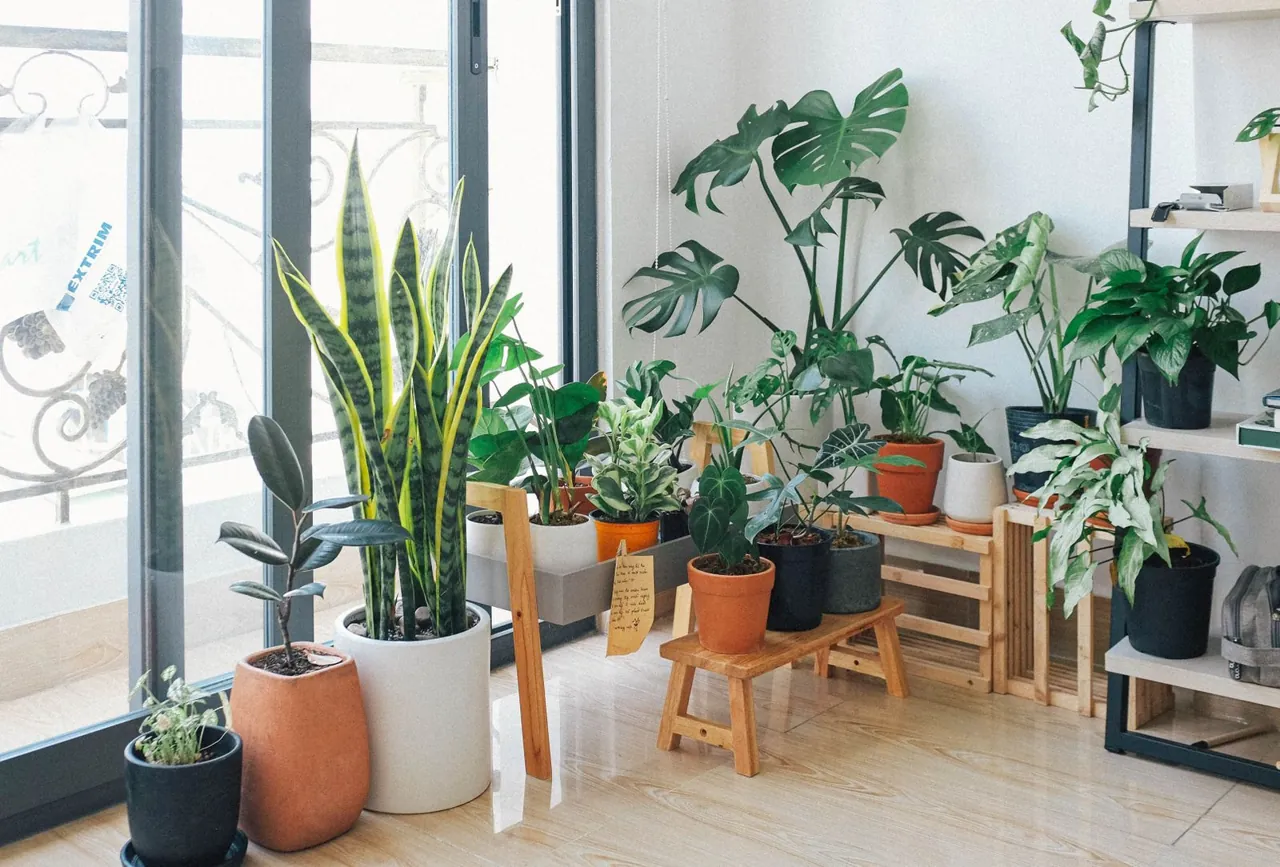
Plants are one of the easiest ways to bring feng shui into a home. They add the wood element, soften hard corners, clean up the look of a room and, if they’re thriving, signal growth and care. The catch is that the “best feng shui plants” lists you’ll find online are mostly the same ten plants in a different order, with very little about which room they suit or whether they’ll survive there.
This guide is organised by room instead. For each space I’ve suggested plants that fit both the feng shui intention for that room and the conditions it usually has, such as low light in a hallway or humidity in a bathroom. I’ve also included four kinds of plant that feng shui teachers often advise thinking twice about, and a note on pet safety, because a lucky plant that harms your cat isn’t lucky.
Key takeaways
- In feng shui, plants represent the wood element: growth, vitality and new beginnings. They’re traditionally strongest in the east (family) and southeast (wealth) areas.
- Rounded, soft leaves are generally preferred over sharp, spiky ones in living spaces.
- A healthy plant matters more than the “right” plant. Choose for the light and care you can actually give.
- Bedrooms are a matter of debate: some schools limit plants there because their energy is “active”. One or two calm plants are usually fine.
- Several popular feng shui plants (pothos, jade, snake plant, peace lily, lucky bamboo) are toxic to cats and dogs. Check before you buy if you have pets.
Why plants matter in feng shui
Living plants are the most direct way to add wood energy to a room. In the five element system, wood is associated with growth, flexibility, kindness and the start of things, the energy of spring. Plants also bring in the colour green, which carries the same association, and their shapes can soften the “poison arrows” that sharp furniture corners and pillars are said to create.
There’s also a practical benefit the tradition doesn’t need to explain: rooms with plants tend to feel calmer and more lived in. That’s the outcome feng shui is after in the first place.
Choosing plants by leaf shape
Traditional advice prefers plants with rounded, soft or upward-growing leaves, which are thought to carry gentle, rising energy. Spiky plants such as cacti are described as sending out sharp energy and are often kept out of main living spaces, or used deliberately at a window or boundary to “protect”. Plants with drooping or falling leaves are sometimes said to pull energy down, though a healthy trailing plant such as pothos is widely recommended, so this is more about vitality than shape.
Living room plants
The living room is where most people put their biggest plant. It’s a good place for a statement plant in a corner, which softens the angle and fills a space that might otherwise collect clutter.
- Money tree (Pachira aquatica). The classic wealth plant, with rounded leaves on a braided trunk. It likes bright, indirect light and moderate watering. My guide on where to put a money tree covers its placement in more detail.
- Rubber plant (Ficus elastica). Large, round, glossy leaves associated with abundance. Tolerates a range of indoor light.
- Areca palm. Soft, feathery fronds that fill a corner and suit bright rooms.
- Fiddle-leaf fig. A dramatic upright plant for bright rooms, though it’s fussy about moving and draughts.
A large plant near the far left corner of the room (the wealth area in the front door bagua) or on the east side is a traditional choice. For how plants fit into the wider layout of seating and flow, my guide to arranging a living room has more.
Entryway and hallway plants
A healthy plant near the front door is a traditional sign of welcome. Hallways are often dim, so the choice depends heavily on light.
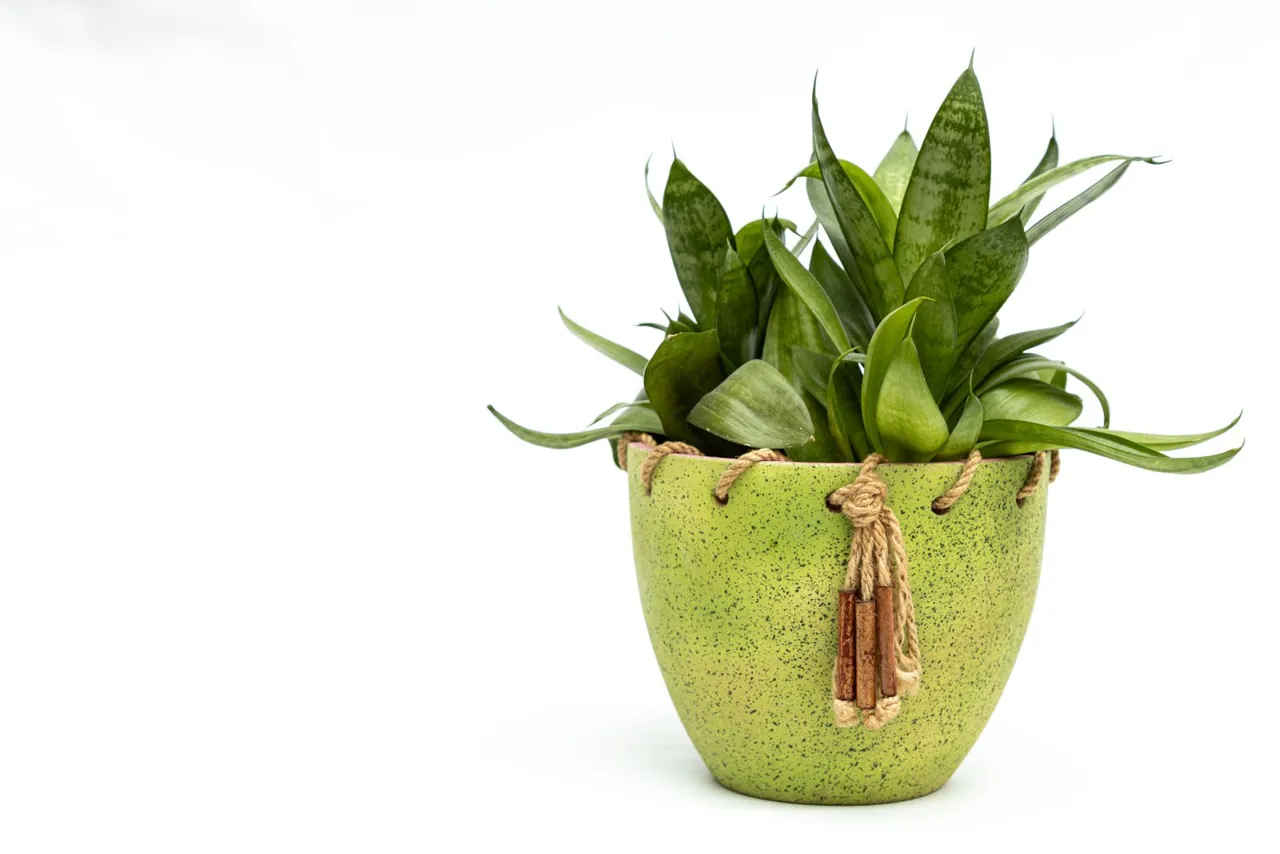
- Snake plant (Dracaena trifasciata). Upright leaves, very tolerant of low light and irregular watering. Some teachers like its upward growth for an entry; others find its pointed leaves too sharp for the front door itself, so a spot to the side of the door is a good compromise. I’ve looked at both views in my article on whether a snake plant is good feng shui.
- ZZ plant. Glossy, rounded leaflets and near-indestructible in low light.
- Cast-iron plant (Aspidistra). Lives up to its name in dark, cool halls.
Place the plant so it doesn’t block the door swing or the path. A plant that gets knocked every time you come in won’t stay healthy.
Home office and desk plants
Plants on or near a desk are associated with growth in your work and with calming the busy energy of a workspace.
- Lucky bamboo. Compact, grows in water, and its stalk count carries meanings. My guide on where to place lucky bamboo includes the stalk-count table.
- Jade plant. Small, round, coin-like leaves linked with prosperity. Needs bright light.
- Pothos. Trails from a shelf, copes with office light and grows quickly.
- Peace lily. Tolerates lower light and tells you when it needs water by drooping.
Many practitioners suggest placing a plant in the far left corner of the desk, which corresponds to the wealth area at desk scale, or to the side of the desk rather than directly in front of you. If you’re also setting up your desk position, see my guide to which direction your desk should face.
Kitchen plants
The kitchen combines fire (the stove) and water (the sink). In the element cycle, wood sits between them: water feeds wood and wood feeds fire. That’s why a plant, or a pot of herbs, is often recommended between the sink and stove to soften their clash.
- Herbs. Basil, parsley, mint and chives on a sunny windowsill bring wood energy and are useful.
- Pothos. Trailing from a high shelf away from the stove.
- Spider plant. Easy, tolerant and non-toxic to pets.
Keep plants away from direct heat, and remove anything that’s wilting; a dying plant in the kitchen is the opposite of what the tradition wants for the “room of nourishment”.
Bathroom plants
Bathrooms are linked with water draining away, and plants are one of the most recommended ways to balance that. They use the moisture and add wood energy. Humidity-loving plants do well here if there’s a window.
- Boston fern. Loves humidity and is non-toxic to pets.
- Pothos. Copes with steam and lower light.
- Peace lily. Likes humidity and moderate light.
- Bird’s nest fern. Glossy, rounded fronds, happy in a steamy room.
Bedroom plants
This is the room where opinions differ most. Some schools say plants carry active, growing energy that doesn’t suit a room meant for rest, especially near the bed. Others are happy with one or two calm, healthy plants. The middle path most teachers settle on is:
- One or two plants, not a jungle.
- Kept away from the head of the bed.
- Soft, rounded leaves rather than spiky ones.
- Healthy and well kept.
Good options include a peace lily, a small rubber plant or a pothos on a shelf. In a small bedroom, where floor space is precious, a trailing plant on a high shelf adds green without crowding the bed; there’s more on making a small room work in my small bedroom feng shui plan.
Four kinds of plant to think twice about
| Plant | Traditional concern | When it can still work |
|---|---|---|
| Cacti and very spiky succulents | Sharp leaves send out cutting energy; often kept out of bedrooms and living areas | On a sunny windowsill facing outward, in a home office, or in the fame area if you like the look |
| Dried flowers and potpourri | Dead plant material is associated with stagnant or “dead” energy | Some practitioners accept dried arrangements if they’re fresh-looking, dust-free and replaced regularly |
| Bonsai | Some schools see the deliberate stunting as limiting growth; others see bonsai as an art of care | If you love bonsai and look after it, most teachers wouldn’t stop you |
| Dusty or faded artificial plants | A neglected fake plant reads as stagnation | Good-quality silk plants are an accepted alternative where real plants can’t survive, if kept clean |
And one condition rather than a plant: anything sick, dying or neglected. A struggling plant is usually considered worse than no plant. If it can’t recover, compost it and choose something better suited to the spot.
A note on golden pothos
Pothos appears on almost every “best plants” list, yet people often ask whether it’s actually bad luck because of its trailing, downward habit. Most teachers consider it positive: it’s resilient, grows fast and its heart-shaped leaves are soft. I’ve looked at the arguments in more depth in my article on whether golden pothos is bad feng shui.
Pet safety at a glance
Based on the ASPCA’s toxic and non-toxic plant lists for cats and dogs:
| Generally listed as non-toxic | Listed as toxic to cats and dogs |
|---|---|
| Money tree (pachira), areca palm, spider plant, Boston fern, bird’s nest fern, cast-iron plant | Pothos, snake plant, jade plant, peace lily, ZZ plant, rubber plant, lucky bamboo (dracaena), fiddle-leaf fig |
If you have pets, check the full listing for any plant before buying, and keep toxic plants well out of reach or choose from the non-toxic column.
Care habits that matter for feng shui
- Match the plant to the light. This is the single biggest factor in keeping plants healthy.
- Dust the leaves. Clean leaves look better and photosynthesise better.
- Remove dead leaves promptly. Tradition and good horticulture agree on this one.
- Choose a pot you like. Pot colour can add another element if you want: earthy terracotta, metal white, water black or blue.
- Don’t overcrowd. A few well-placed plants feel calmer than a shelf packed with pots.
Frequently asked questions
What is the best plant for feng shui?
There’s no single best plant. The money tree, jade plant, lucky bamboo and pothos are the most commonly recommended, but the best choice is one that will thrive in your space.
Where should I put plants for good feng shui?
Traditionally in the east (family) and southeast (wealth) areas, near the front door to welcome energy, and in corners to soften sharp angles.
Are plants in the bedroom bad feng shui?
Opinions vary. Most teachers accept one or two healthy plants with soft leaves, kept away from the head of the bed.
Are cacti bad feng shui?
Their spikes are associated with sharp energy, so many people keep them out of bedrooms and main living areas. A sunny windowsill or office can be fine.
Are fake plants OK in feng shui?
Good-quality artificial plants are acceptable where real plants won’t grow, as long as they’re kept clean. Dusty, faded ones are best replaced.
Which feng shui plants are safe for cats?
The money tree, spider plant, areca palm and Boston fern are listed as non-toxic by the ASPCA. Pothos, snake plant, jade and peace lily are listed as toxic.