

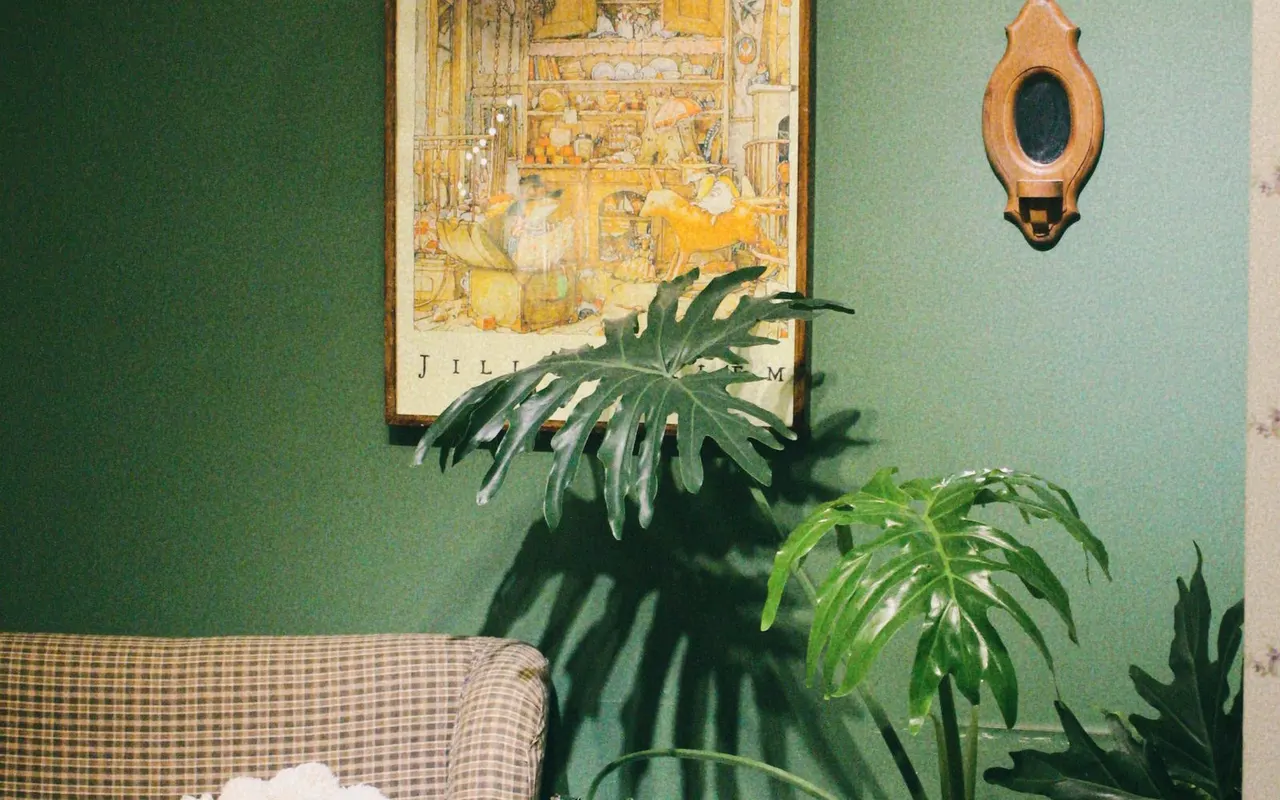
The living room is where feng shui gets tested most. It’s used by everyone in the household, for everything from quiet evenings to parties, and it usually has the most furniture, the most traffic and the most things on display. A living room that works feels easy to walk into and easy to settle in. One that doesn’t tends to collect clutter and gets avoided.
This guide goes through the living room in the order a practitioner usually would: the sofa and seating, the path through the room, balance and the elements, light, colour, and the finishing touches. I’ll also cover open-plan spaces, awkward layouts and what to do about the television.
Key takeaways
- Place the main sofa against a solid wall with a view of the room’s entrance, the living room version of the command position.
- Arrange seating in a conversation group that faces inward, not in a line facing the television.
- Keep a clear, gently curving path through the room, and don’t block the doorway.
- The living room should feel balanced, leaning slightly towards active (yang): good daylight, lamps for evenings, a mix of textures and shapes.
- Soften sharp corners with plants and rounded pieces, and keep surfaces clear.
Start with the sofa
The sofa is the living room’s anchor, and its position decides most of the rest. The traditional ideal is the same principle used for beds and desks: the sofa’s back against a solid wall, with a clear view of the room’s main door, and not directly in line with the doorway. That’s the command position, applied to the place where you relax.

If the sofa has to float in the middle of the room, which is common in open-plan homes, give it “support” from behind with a console table, a low bookcase or a sideboard. A sofa with its back to the door is the arrangement most practitioners try to avoid, because anyone entering approaches from behind the person sitting.
Arrange seating for conversation
Feng shui favours seating that faces inward to form a group, where people can see each other and talk without twisting round. Common arrangements are:
- Sofa and two chairs facing each other across a coffee table, forming a U.
- Two sofas facing each other, with a chair at one end.
- An L-shaped sofa with one or two chairs opposite to close the group.
A row of seats all facing the television is the arrangement to avoid if the room is also meant for company. Leave around 45 to 60 cm between the sofa and coffee table, and keep the group close enough that people don’t have to raise their voices.
Keep the flow clear
In feng shui, qi enters through the door and should move gently through the room. Practically, that means a path you can walk without zigzagging around furniture. Check three things:
- Can the door open fully without hitting furniture?
- Is there a clear path from the door to the seating?
- Can you get to the windows and other doors without squeezing past anything?
A path that curves slightly is ideal. A straight line from the door to a window opposite is said to let energy rush through and out; a plant, a chair or a rug in that line slows it.
Balance the room: yin, yang and the elements
The living room is a mixed space, so it benefits from balance rather than leaning hard one way. It should feel lively enough for company and soft enough for evenings. My guide to yin and yang explains the principle; in a living room, it usually means good daylight and a bright main light for daytime, lamps for evenings, and a mix of hard and soft surfaces.
The five elements give a quick way to check that nothing is missing:
| Element | Living room examples | If it’s missing, the room may feel |
|---|---|---|
| Wood | Plants, wooden furniture, cotton and linen, green | Flat, lifeless |
| Fire | Lamps, candles, a fireplace, red or orange accents | Cold, unwelcoming |
| Earth | Ceramics, stone, square shapes, sand and terracotta | Unsettled, ungrounded |
| Metal | Metal frames, round shapes, white and grey | Cluttered, unfocused |
| Water | Glass, mirrors, wavy shapes, dark blue and black | Stiff, static |
You don’t need all five in equal measure. Notice which is dominant and whether one is absent, then add a little of what’s missing. My guide to the five elements has worked examples.
Light
Light is one of the most powerful ways to change a living room’s energy. Natural light is the ideal, so keep windows clear of clutter and heavy furniture. For evenings, use several light sources at different heights rather than one overhead light: a floor lamp, a table lamp and perhaps wall lights. Dark corners are a common feng shui concern; a lamp or a plant in a gloomy corner brings it back into use.
Colour
There’s no single feng shui colour for a living room. Warm neutrals, soft greens and earthy tones are popular because they’re welcoming and easy to live with. Stronger colours work well as accents in cushions, art and throws. If you use the bagua, you can borrow the colours of the area your living room falls in; the bagua corner finder will show you which that is.
Soften corners and sharp edges
Feng shui describes sharp corners pointing at seats as “poison arrows”, sending cutting energy towards whoever sits there. Square pillars, the edges of bookcases and the corners of coffee tables are common culprits. A round or oval coffee table is a popular choice for this reason, and it’s easier on shins. For existing corners, a trailing or bushy plant in front of the edge softens it. My guide to the best feng shui plants by room suggests living room plants for different light levels.
Mirrors in the living room
Mirrors are useful in living rooms for spreading light and making a small room feel larger. Feng shui suggests hanging them where they reflect something pleasant, such as a window, a plant or a favourite picture, and not opposite the front door or reflecting clutter. My guide to what mirrors should and shouldn’t face covers each situation.
What about the television?
Feng shui generally prefers the seating group to centre on conversation rather than a screen. In practice, most living rooms have a television, and the aim is to stop it dominating. Options include a cabinet with doors, a screen that doubles as a picture frame, or simply placing the television to the side of the main seating group rather than as its focal point. A large black screen also acts like a mirror when it’s off; some people cover it with a throw in a room they want to feel calm.
Open-plan living rooms
In open-plan spaces, the living area needs its own sense of place. Use a rug to define the seating zone, position the sofa so its back gives some separation from the kitchen or dining area, and use lighting to mark each zone. A console table, shelving unit or row of plants behind the sofa can act as a soft divider.
Awkward layouts
- The room is a corridor to other rooms. Keep the walkway clear and group seating to one side so people walking through don’t cross the conversation area.
- Several doors. Choose the main entrance as the one the sofa should see.
- Long, narrow rooms. Divide into two zones, such as seating and a reading corner, with a rug and lighting for each.
- Small rooms. Choose fewer, slightly larger pieces, raised on legs, and keep the floor as clear as possible.
- Fireplace and TV on different walls. Choose one focal point for the seating, and angle a chair towards the other.
Clutter and surfaces
Living rooms collect things: post, chargers, toys, books, remote controls. Clear surfaces are one of the simplest feng shui changes. A basket or box for each category, and a few minutes each evening putting things back, keep the room feeling calm. Limit display items to a few that matter to you rather than every shelf being full.
A quick living room checklist
- Sofa against a wall, with a view of the main door.
- Seating faces inward in a conversation group.
- Door opens fully; the path through the room is clear.
- At least three light sources for evenings.
- No sharp corners pointing at seats, or they’re softened.
- A healthy plant or two.
- Surfaces mostly clear.
- Mirror reflects something pleasant, not the front door.
Frequently asked questions
Where should the sofa go in feng shui?
Against a solid wall with a view of the room’s entrance, not directly in line with the door. If it floats, put a console table or bookcase behind it.
Should the sofa face the door?
It should have a view of the door, not face it head-on in a straight line. A diagonal view is ideal.
Is a round coffee table better feng shui?
Round and oval tables are often recommended because they avoid sharp corners pointing at seats.
What colour should a feng shui living room be?
There’s no single colour. Warm neutrals, soft greens and earth tones are popular, with stronger colours as accents.
Where should the TV go?
Ideally not as the sole focal point of the seating. A cabinet with doors, or placing it to one side, keeps it from dominating.
How many plants should a living room have?
There’s no rule. One or two healthy plants in the right light are better than many struggling ones.