
Feng Shui Mood is a home-advice site about feng shui: the traditional Chinese practice of arranging buildings, rooms and objects to encourage a sense of balance. We write plain-English guides to bed placement, the bagua map, room layouts and the meaning behind common symbols such as lucky cats, evil eyes and money trees.
Who writes the guides
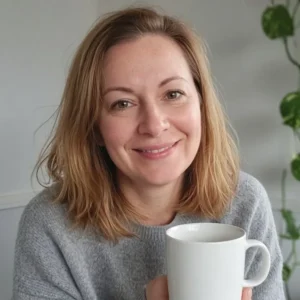
The guides are written and edited by Amanda Clarkson, the site’s editor. Amanda isn’t a certified feng shui consultant and doesn’t claim to be, and none of the guides should be read as a professional consultation.
How we write about feng shui
- Tradition is labelled as tradition. Feng shui is a cultural and spiritual practice, not a science. When a guide says a direction or object “brings” wealth, love or health, that describes what the tradition holds, not a proven effect.
- Practical first. Much feng shui advice overlaps with good everyday sense: clear walkways, good light, less clutter, a bed you feel safe in. We point that out where it applies.
- Schools differ. Compass (classical) and Western (BTB) feng shui sometimes disagree. Where they do, we say so.
- No promises. Nothing here is medical, financial or legal advice. If you’re dealing with sleep problems, money worries or health concerns, please talk to a qualified professional.
Affiliate links
Some articles link to products on Amazon. As an Amazon Associate we earn from qualifying purchases, at no extra cost to you. Read the full affiliate disclosure.
Corrections and contact
If you spot a mistake, an outdated recommendation or something that doesn’t make sense, please get in touch. We read every message and correct errors.