

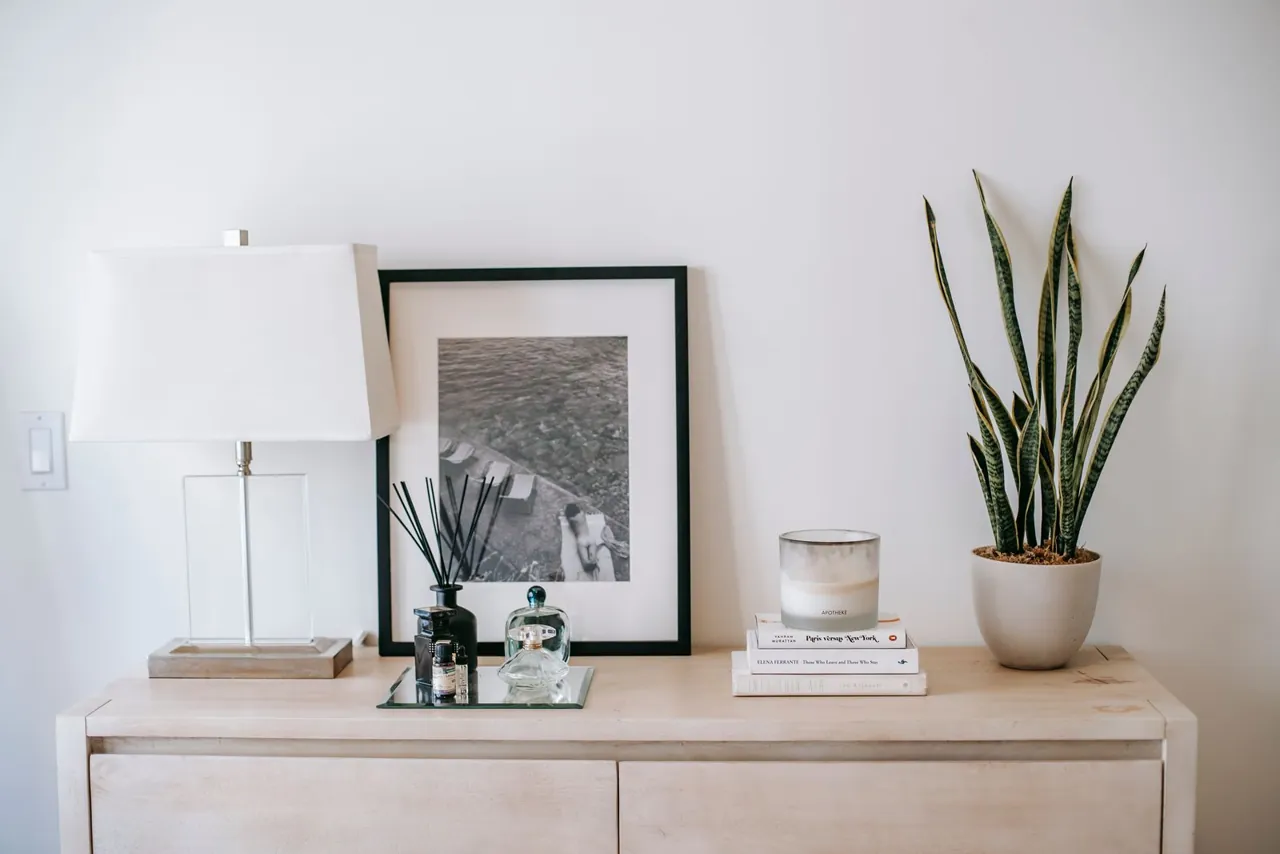
The snake plant (Dracaena trifasciata, long sold as Sansevieria) is almost impossible to kill, which makes it one of the most popular houseplants around. In feng shui it has a slightly mixed reputation. Some writers call it a protective plant that guards the home; others warn that its sharp, upright leaves create “cutting” energy. Both views have a basis, and the answer depends mostly on where you put it.
Here’s how feng shui reads the snake plant, the best places for it, the places to avoid, and how to keep it healthy so it does its job.
Key takeaways
- A healthy snake plant is generally considered good feng shui, especially as a protective plant near entrances and in corners.
- Its upright, pointed leaves carry strong, rising wood energy, which is why it’s often kept out of the bedroom or away from where people sit.
- Good places: beside the front door (inside or out), the wealth area, the east, home offices and empty corners that need life.
- Avoid pointing the leaves at a bed, a sofa or a desk chair, and avoid very dark spots where it can’t grow.
- It’s mildly toxic to cats and dogs if chewed, so keep it out of reach of pets.
How feng shui reads the snake plant
All plants belong to the wood element, which stands for growth and vitality. What sets the snake plant apart is its shape. Its leaves are tall, stiff and pointed, so its energy is described as strong and upward-moving. In Chinese it’s sometimes called the “tiger tail orchid”, and in English “mother-in-law’s tongue”, both nods to its sharp look.
That shape is the source of both reputations. As a guardian, the strong, upright form is thought to protect a space and push away negative energy, which is why it’s often placed by doors. As a source of “cutting” energy, the pointed tips are thought to send sharp energy toward whatever they face, which is why some practitioners keep it away from places where people rest or sit for long periods.
The best places for a snake plant
By the front door
This is the classic position. A snake plant on either side of the front door, or one just inside it, is treated as a guardian for the home. It also copes well with the variable light and temperature of a hallway. My guide to creating a welcoming entryway covers the rest of the entrance.
Empty or awkward corners
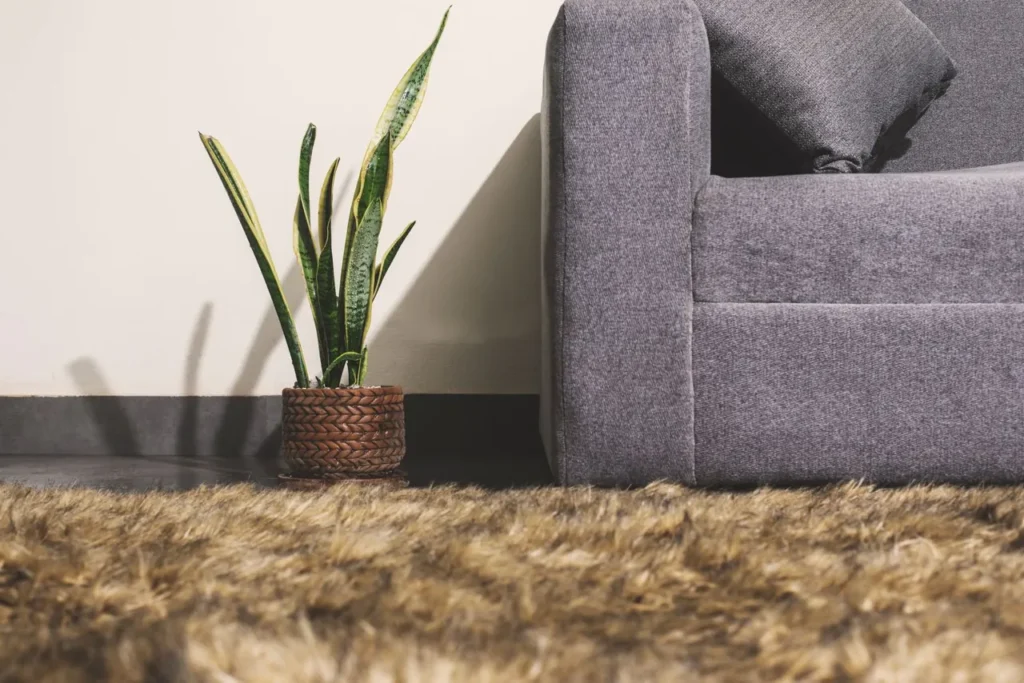
Corners where energy is said to stagnate, or sharp protruding corners in a room, are good homes for a snake plant. Its vertical shape fills a corner neatly without taking floor space.
The wealth area and the east
As a wood plant, it suits the wood areas of the bagua: the wealth corner (far left from the door, or the southeast) and the east (family and health).
Home offices
Strong, upright wood energy is considered helpful for focus and drive, so a snake plant in a home office, placed to the side rather than pointing at your chair, is a common choice.
Where to avoid it
| Place | Why it’s often avoided | Alternative |
|---|---|---|
| Next to the bed | Sharp, active energy in a room meant for rest | A plant with soft, rounded leaves, or none |
| Pointing at a sofa or chair | “Cutting” energy aimed at people | Move it to a corner or behind furniture |
| Very dark corners | Grows weakly; a struggling plant is poor feng shui | A brighter spot or an artificial alternative |
| Within reach of pets | Mildly toxic if chewed | A high shelf or a pet-safe plant |
Not every practitioner bans it from the bedroom. Some say one plant in a far corner, away from the bed, is fine. If you’re unsure, put the bedroom plants elsewhere and check the rest of the room with my bedroom feng shui checklist.
Softening its energy
If you love the plant but worry about its sharpness, there are traditional ways to soften it:
- Pair it with a plant that has rounded leaves, such as a pothos or a jade plant.
- Choose a rounded pot rather than a tall, angular one.
- Use the lower, rosette-forming varieties, which look less spiky than the tall ones.
- Place it where the leaves face a wall or a window rather than a seat.
For a softer-leaved companion, my guide to golden pothos in feng shui covers one of the easiest options.
Keeping a snake plant healthy
A healthy plant matters more in feng shui than the species, and snake plants are easy as long as you don’t overwater them:
- Water sparingly: every two to four weeks in summer and less in winter, only when the soil is completely dry.
- Use free-draining soil and a pot with a drainage hole. Soggy roots are the most common cause of failure.
- Bright, indirect light gives the best growth and colour, though it tolerates lower light.
- Wipe dust off the leaves occasionally.
- Remove damaged or mushy leaves at the base.
A note on air quality claims
Snake plants are often sold as air purifiers, usually with a reference to well-known laboratory studies of plants and indoor air. Those experiments took place in small sealed chambers, and later research suggests that in a normal home you’d need an impractical number of plants to make a measurable difference compared with ordinary ventilation. Choose a snake plant because it’s beautiful, tough and has a long feng shui tradition, and open a window for fresh air.
Snake plants among other feng shui plants
The snake plant is one of a small group of easy, popular plants with a strong feng shui reputation, alongside the money tree, lucky bamboo, the jade plant and pothos. Each suits different spaces, and my guide to the best feng shui plants by room shows where each works best.
Frequently asked questions
Is a snake plant lucky?
It’s generally considered a protective, positive plant in feng shui when it’s healthy and well placed, especially near the entrance.
Can I keep a snake plant in my bedroom?
Opinions differ. Many practitioners prefer to keep its sharp energy out of the bedroom; others allow one in a corner away from the bed.
Where should I not put a snake plant?
Right next to the bed, pointing at a seat, in a dark spot where it can’t grow, or within reach of pets.
How many snake plants should I have?
There’s no traditional number. One or a pair by the door is common; beyond that, let the space and the light decide.
What does a dying snake plant mean in feng shui?
Nothing mystical. It means the plant needs better care, usually less water. Remove damaged leaves, repot if the roots are rotting, or replace it.