

Feng shui objects make thoughtful gifts: a pair of foo dogs for a new home, a lucky cat for someone opening a shop, a money tree for a housewarming. If you’re in Weihai, the coastal city in Shandong province, you’ll find the usual mix of markets, department stores and souvenir shops, plus the big online platforms. This guide covers what to look for, wherever you end up buying.
Editor’s note: an earlier version of this page listed specific shops by name. We couldn’t verify that those businesses exist or are still trading, so we’ve removed the list. Check current maps and reviews before you travel to any shop.
Key takeaways
- Look in local markets, department stores, temple and souvenir shops, and garden centres for plants.
- Major online platforms offer the widest choice but quality varies; check reviews and photos.
- Choose gifts by meaning: protection, wealth, love, study or health.
- Avoid sharp, broken or “unlucky” gifts, and know the gift customs (some items are traditionally avoided).
- Natural materials and good finish matter more than size or price.
Where to look in a Chinese city like Weihai
- Local markets and antique streets: often the best place for brass coins, small figurines, carved wood and red tassels. Bargaining is normal.
- Department stores and gift shops: good for boxed, presentation-ready items like porcelain, jade-style ornaments and calligraphy.
- Temple shops: charms, incense and protective items, often with an explanation of their meaning.
- Flower markets and garden centres: money trees, lucky bamboo and orchids.
Use a current map app to find what’s open and well reviewed near you.
Buying online
Online marketplaces in China and abroad offer the biggest range. To avoid disappointment:
- Check the seller’s rating and recent reviews, ideally with buyers’ photos.
- Read the material description: “brass” vs “brass-coloured”, “jade” vs “jade-coloured resin”.
- Check the dimensions. Many figures are smaller than they look.
- For plants, prefer local sellers so the plant isn’t stressed in transit.
Checking quality before you buy
The same object can be beautifully made or very cheap, and it’s worth knowing what to look for, particularly for a gift.
- Brass: solid brass feels heavy for its size and has a consistent colour. Very light pieces are often plated alloy, which can chip or tarnish unevenly.
- Jade: genuine jade is expensive, and much of what’s sold as “jade” in souvenir shops is glass, resin or other green stone. That’s fine as long as the price reflects it; for real jade, buy from a reputable dealer who will state what it is.
- Porcelain and ceramics: look for an even glaze, no cracks or bubbles and a stable base.
- Wood: check for splits and a smooth finish, especially on carvings that will be handled.
- Plants: choose firm, green leaves and healthy roots, and avoid plants sitting in waterlogged pots.
Gift ideas by meaning
| Intention | Gift | Good for |
|---|---|---|
| Protection | A pair of foo dogs, an evil eye charm | New homes |
| Wealth | Money tree, coins on red ribbon, a lucky cat | Shop openings, new jobs |
| Strength and support | A pair of elephants | Families, milestone birthdays |
| Love | Mandarin ducks, a pair of matching objects | Weddings, anniversaries |
| Calm and health | Lucky bamboo, a small fountain, a good plant | Anyone |
Gifts for particular occasions
- Housewarming: a pair of guardian lions for the entrance, a healthy plant, or a bowl with three coins tied in red.
- Opening a shop or business: a beckoning cat for the counter, a money tree, or a plant for the entrance.
- Wedding: pairs, such as mandarin ducks or matching porcelain, and anything with the double happiness character.
- Lunar New Year: red decorations, mandarin oranges and red envelopes (hongbao) are traditional.
- An older relative’s birthday: symbols of long life, such as peaches or the character for longevity, are popular.
Gift etiquette to keep in mind
- Some items are traditionally avoided as gifts in Chinese culture: clocks (the phrase “giving a clock” sounds like attending a funeral), sharp objects such as knives or scissors (cutting ties) and anything in sets of four (the word sounds like “death”).
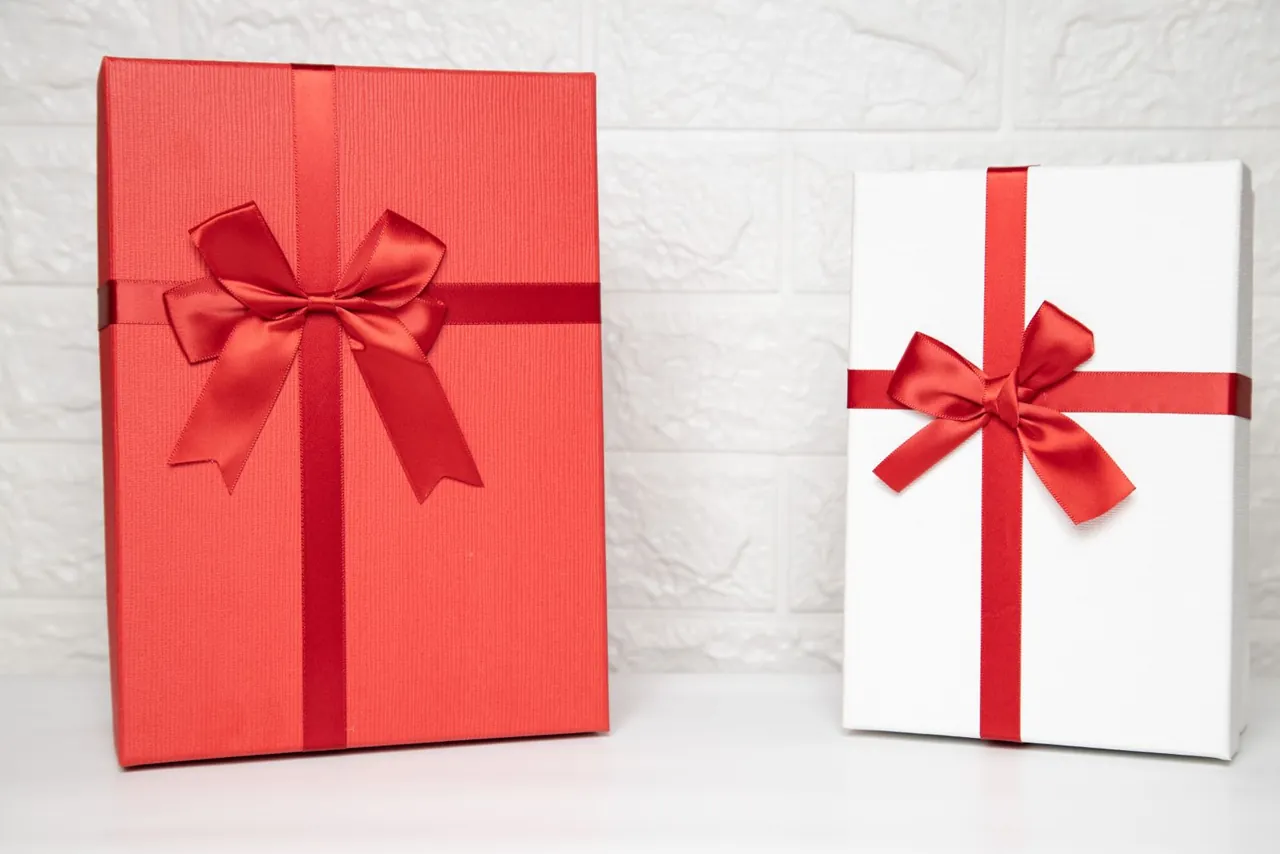
- Red and gold wrapping is festive; plain white wrapping is associated with mourning.
- Pairs are lucky for weddings and couples.
- Present gifts with both hands.
Numbers and quantities
Numbers carry meaning in Chinese gift-giving. Eight is especially welcome because it sounds like the word for prosperity, and pairs suit weddings and couples. Four is avoided because it sounds like the word for death. So a set of eight coins, a pair of figures or two matching cups makes a better gift than a set of four. When giving money in a red envelope, people usually choose even amounts and avoid ones that include the number four.
Presenting the gift
A few customs make a gift feel more considered. Wrap it in red, gold or another bright colour, and add a short card. Don’t be surprised if the recipient politely declines once or twice before accepting; it’s a common courtesy in many Chinese families, and the usual response is to offer again. Gifts are also often set aside and opened later rather than in front of the giver.
Taking gifts home from China
If you’re buying in Weihai to take abroad, check your destination country’s customs rules before you shop. Live plants, soil, seeds and some untreated wood are restricted in many countries, so a money tree is usually better bought at home. Figurines, coins, textiles and ceramics travel more easily, but pack ceramics and anything with fine carving carefully.
Frequently asked questions
Is it bad luck to buy feng shui objects for yourself?
No. Some people like the idea that a symbol given with good wishes carries extra meaning, but buying your own is entirely normal.
What’s a safe gift if I don’t know the person well?
A healthy plant, such as lucky bamboo or a money tree, or a small, well-made bowl. Both suit most homes and carry positive meanings without being too personal.
Are there colours to avoid when wrapping?
Plain white and black are traditionally associated with mourning, so bright colours, especially red and gold, are the usual choice.