

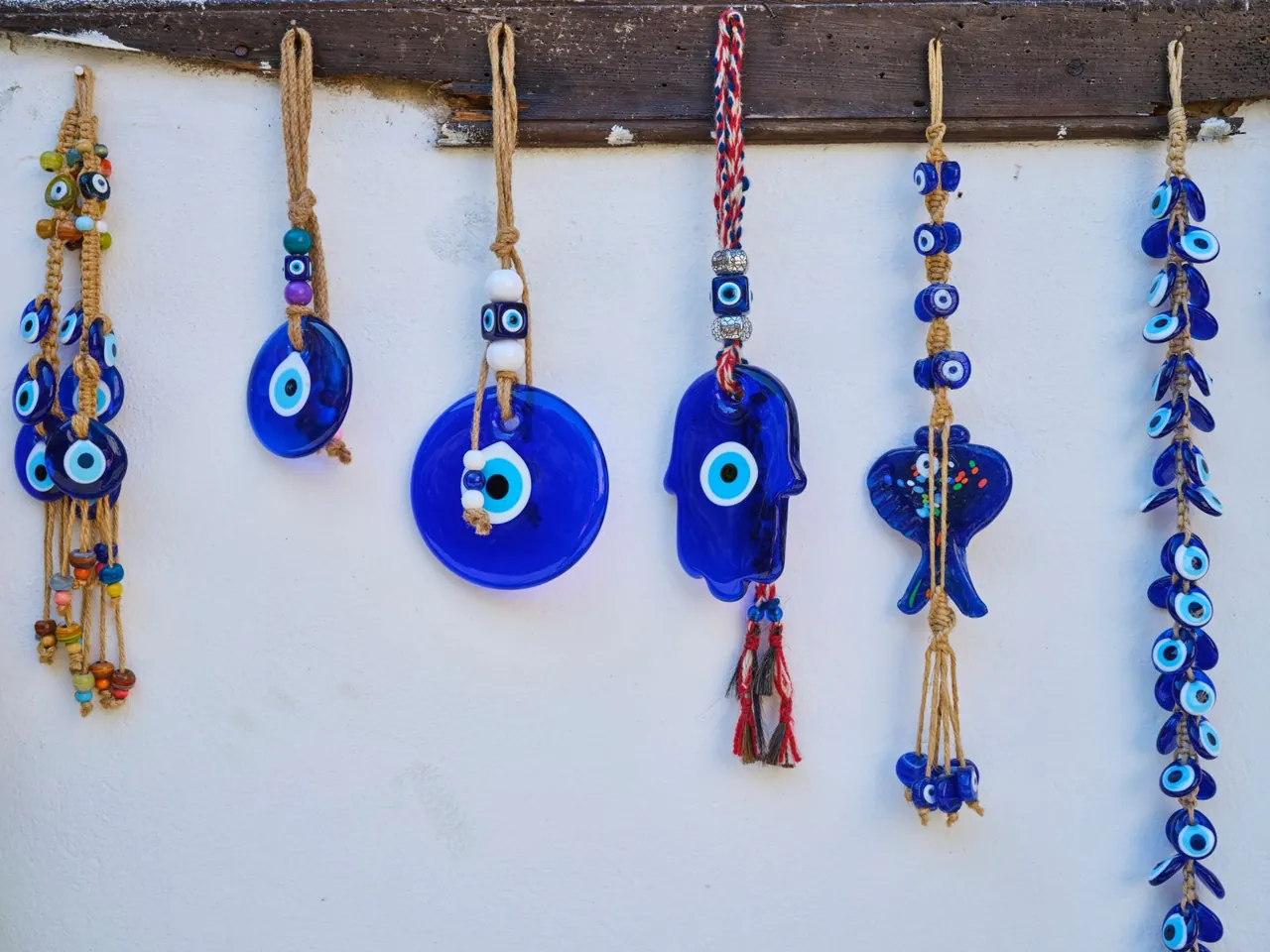
Lucky cats, elephants, coins tied with red ribbon, a pair of stone lions by the door: lucky symbols are the part of feng shui most people meet first, often as a gift. And the first question is nearly always the same: where does it go?
This guide is a placement reference for 15 of the most common objects. For each one I’ve summarised where it’s traditionally placed, which way it should face, where it’s usually not placed, and what it’s meant to represent. There’s a full table first for quick answers, then short notes on each object, including where the tradition is clear and where modern practice has added its own layers. If an object has its own detailed guide on the site, I’ve pointed you to it.
Key takeaways
- Most protective symbols (guardian lions, evil eye, pi yao) belong at or facing the entrance.
- Most wealth symbols (lucky cat, money toad, coins, money tree) go in the wealth area, near the front door facing in, or on a work desk or cash point.
- Bedrooms are traditionally kept free of fierce or “active” symbols. Love symbols such as mandarin ducks are the usual exception.
- Bathrooms, the floor and cluttered shelves are the places most teachers say to avoid for any symbol.
- Not every popular “feng shui” object is Chinese in origin. The evil eye, for example, comes from Mediterranean and Middle Eastern traditions and has been adopted into modern practice.
The placement table
| Object | Main association | Traditional placement | Facing | Usually avoided |
|---|---|---|---|---|
| Foo dogs (guardian lions) | Protection | Either side of the front door, outside | Outward, away from the house | Bedroom, bathroom, inside facing in |
| Evil eye | Protection from envy | Inside the entrance, by the door | Towards the door | Bathroom, hidden away |
| Pi yao (pixiu) | Protection of wealth | Living room or office, near a window or door | Outward, towards the door or window | Bedroom, facing a mirror |
| Elephants | Strength, wisdom, protection | Facing the front door, inside or out; living room | Towards the door, or inward to “bring in” luck | Floor, bathroom |
| Lucky cat (maneki-neko) | Attracting customers and money | Near the entrance, cash desk, wealth corner | Facing the door | Bathroom, bedroom, behind a door |
| Three-legged money toad | Wealth | Near the front door, wealth corner | Into the room, as if hopping in | Facing out the door, bathroom, kitchen |
| Chinese coins (on red ribbon) | Prosperity | Wealth corner, wallet, cash box, front door handle | Yang side (four characters) up | Bathroom, floor |
| Laughing Buddha | Happiness, abundance | Living room or entrance, at a good height | Facing the main door | Bathroom, floor, kitchen |
| Dragon turtle | Support, longevity | Behind you at your desk, east or north | Into the room | Bedroom, bathroom |
| Money tree (pachira) | Growth, prosperity | Wealth corner, office, living room | n/a | Bedroom (many schools), dark corners |
| Lucky bamboo | Growth, good luck | Wealth or family area, desk, living room | n/a | Bedroom, direct sun |
| Wu lou (gourd) | Health | Bedside or near a sick person; health area | Opening upward | Bathroom |
| Mystic knot | Long life, connection | Relationship or wealth area, hung on a wall | n/a | Bathroom |
| Faceted crystal ball | Dispersing and spreading light | In a window, hung between door and stairs | n/a | Where it focuses sunlight onto fabric |
| Mandarin ducks | Lasting partnership | Bedroom or relationship (far right) area, in a pair | Facing each other | Single duck, more than two |
A note on facing: where the tradition gives a direction, it’s usually because the object is “working” towards something. Protective symbols face out towards what they guard against; wealth symbols face in or towards the door to receive what comes in.
Protective symbols
Foo dogs (guardian lions)
Guardian lions come in pairs: a male with his paw on a ball, representing the world, and a female with her paw on a cub, representing the home. They traditionally stand outside the front door, one on each side, facing outward. Standing inside the door, the male is on your right and the female on your left. They’re too fierce for bedrooms by most accounts. My guide on placing foo dogs explains the pairing, the paw details and what to do if you live in a flat.
The evil eye
The blue eye charm, known as nazar in Turkey and mati in Greece, is meant to deflect envious looks. It isn’t a classical Chinese feng shui object, but it’s widely used alongside feng shui today. The usual place is inside the entrance, hung where it faces the door, with optional extra charms in a home office or a child’s room. The guide to where to hang an evil eye covers each spot and the tradition of replacing a charm when it breaks.
Pi yao (pixiu)
A winged lion-like creature said to guard wealth. It’s traditionally placed in the living room or office facing a door or window, so that it “faces out” to bring wealth in. Many practitioners don’t put pi yao in bedrooms, and they don’t face it towards a mirror or a person.
Wealth and abundance symbols
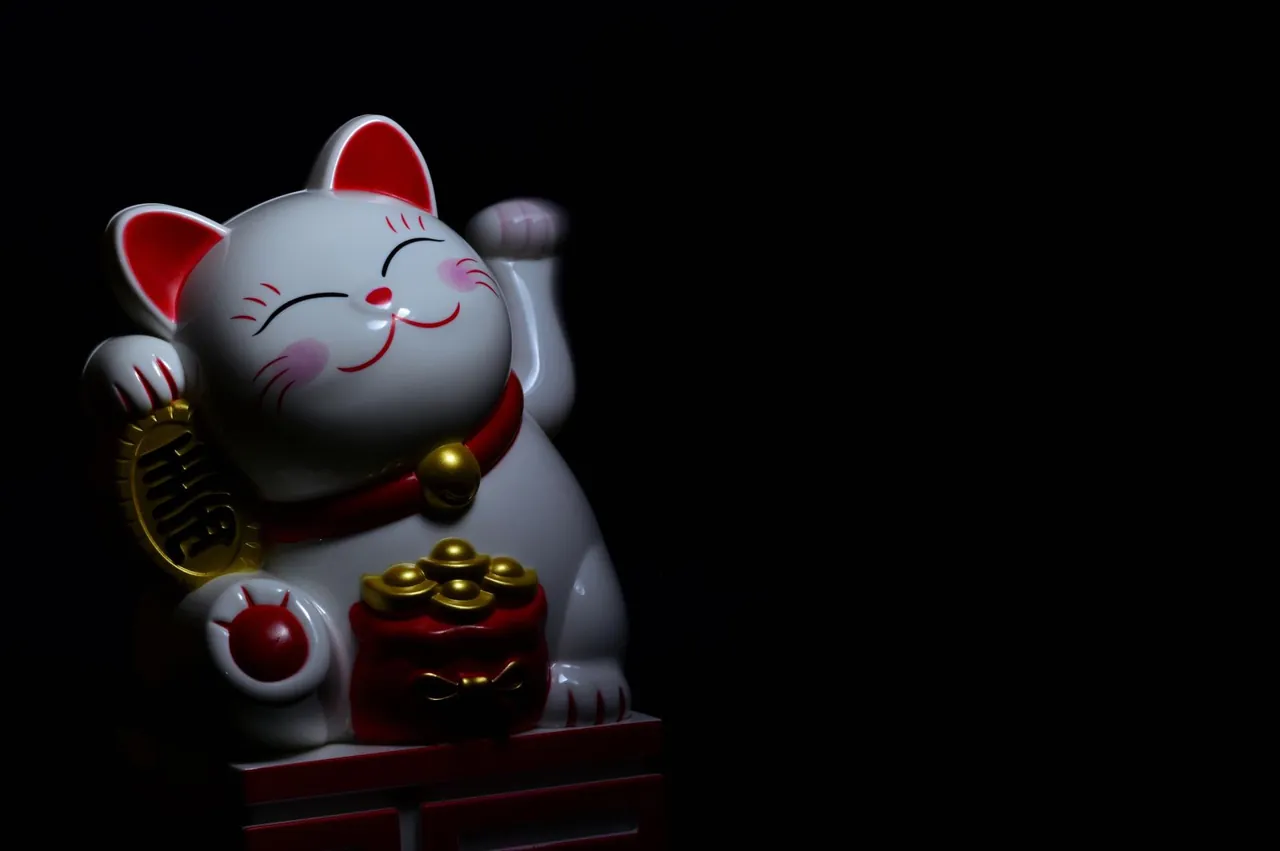
Lucky cat (maneki-neko)
The beckoning cat is Japanese in origin and became a fixture of shops and restaurants across Asia. The traditional spot is near the entrance or cash register, facing the door so it greets and “beckons in” customers. At home, people put it on a shelf facing the front door or in the wealth corner. A raised left paw is usually said to beckon customers, a raised right paw money; colours have their own associations. My guide on placing a lucky cat sets out the paw and colour meanings and the spots to avoid.
Three-legged money toad
The money toad (chan chu) sits on a pile of coins, usually with a coin in its mouth. It’s placed near the front door, facing into the home as if it has just hopped in with money, never facing out of the door. Some people move it to face in during the day and turn it at night; that practice varies. It’s generally kept out of bathrooms, kitchens and bedrooms.
Chinese coins
Round coins with a square hole, often tied in threes or nines with red ribbon, symbolise the union of heaven (round) and earth (square). They’re kept in a wallet, a cash box, the wealth corner, or tied to the inside handle of the front door. The side with four characters, the yang side, is traditionally placed facing up. There’s more on the meanings and the numbers of coins in my guide to what coins mean in feng shui.
Laughing Buddha
Budai, the cheerful monk with the round belly, is associated with happiness and plenty. He’s usually placed in the living room or entrance, facing the main door and raised up, never on the floor or in a bathroom. Many people feel he shouldn’t be placed in a kitchen or bedroom out of respect.
Money tree
The braided pachira is associated with growth and prosperity and is often placed in the wealth corner, the office or the living room, in a spot with good indirect light. A struggling plant sends the opposite message, so position matters more for the plant’s health than for symbolism. My guide on where to put a money tree covers placement by room and direction.
Strength and support symbols
Elephants
Elephants represent strength, wisdom and steady good fortune. A pair placed facing the front door, inside or out, is a common protective placement; elephants with raised trunks are often placed facing into the home to “bring in” luck. An elephant figurine in a child’s room is sometimes used to encourage learning. The detailed guide to placing elephants covers trunk position, pairs and the rooms where they’re usually avoided.
Dragon turtle
A turtle’s body with a dragon’s head, often sitting on coins. It symbolises support and is often placed behind you at your desk, or in the east or north of a room. Most teachers keep it out of the bedroom.
Growth, health and love symbols
Lucky bamboo
Stalks of dracaena grown in water, sold in numbers that carry meanings (three for happiness, five for wealth; four is avoided because it sounds like “death” in Chinese). It’s placed in the wealth or family areas, on a desk or in the living room, out of direct sun. My guide to lucky bamboo placement includes the stalk-count table.
Wu lou (gourd)
A bottle gourd associated with health and longevity; it’s traditionally placed near the bed of someone who’s unwell or in the health area of the home. It’s often kept with the opening uncorked or upward.
Mystic knot
An endless knot with no beginning or end, representing long life and unbroken connection. It’s hung in the relationship area for partnership, or in the wealth area, often combined with coins.
Faceted crystal ball
Hung in a sunny window, a faceted crystal throws rainbows around a room and is used to spread light and energy. It’s also hung between the front door and stairs to break up a straight run. Keep it where it can’t focus strong sunlight onto curtains or furniture.
Mandarin ducks
Mandarin ducks are a symbol of lasting partnership because pairs are said to stay together. They’re always placed as a pair, facing each other, in the bedroom or the relationship (far right) area. A single duck or a group of three is traditionally avoided.
General rules that apply to all symbols
- Raise them up. Most symbols are placed on a table, shelf or plinth, not on the floor. The exceptions are large guardian lions and garden pieces.
- Keep them clean and whole. A dusty, chipped figure is traditionally repaired, cleaned or replaced.
- Don’t overcrowd. A shelf with ten symbols reads as clutter. One or two in the right places is more in keeping with feng shui than a collection.
- Avoid bathrooms. Almost every tradition keeps symbols out of the bathroom.
- Be thoughtful in bedrooms. Bedrooms are for rest. Fierce or very “active” symbols go elsewhere; soft love symbols are fine.
- Respect religious figures. Buddha figures and deities are placed at a respectful height, never in bathrooms, and some people prefer not to treat them as décor at all.
Choosing which symbols to use
You don’t need all of these. A simple approach: pick one protective symbol for the entry if you want one, one wealth symbol for the wealth corner or desk, and anything else only if it means something to you. A gift from someone you love has more significance in your home than an object bought because a list said so. If you’re not sure where your wealth corner is, start with the bagua corner finder.
Frequently asked questions
Where should I put a lucky cat at home?
Near the front door facing the entrance, on a shelf in the wealth corner, or on a work desk. Avoid bathrooms and bedrooms.
Which way should foo dogs face?
Outward, away from the house, either side of the front door. Inside looking out, the male is on your right and the female on your left.
Can I put feng shui symbols in my bedroom?
Most teachers keep protective and wealth symbols out of the bedroom. A pair of mandarin ducks or other soft love symbols are the usual exceptions.
Should a money toad face in or out?
In, towards the room, as if it’s bringing money into the home. Not facing out of the front door.
Is the evil eye part of feng shui?
Not originally. It comes from Mediterranean and Middle Eastern traditions, but it’s commonly used alongside feng shui at the entrance.
How many lucky symbols should I have?
There’s no required number. A few well-chosen, well-kept pieces in the right places are better than many crowded together.