

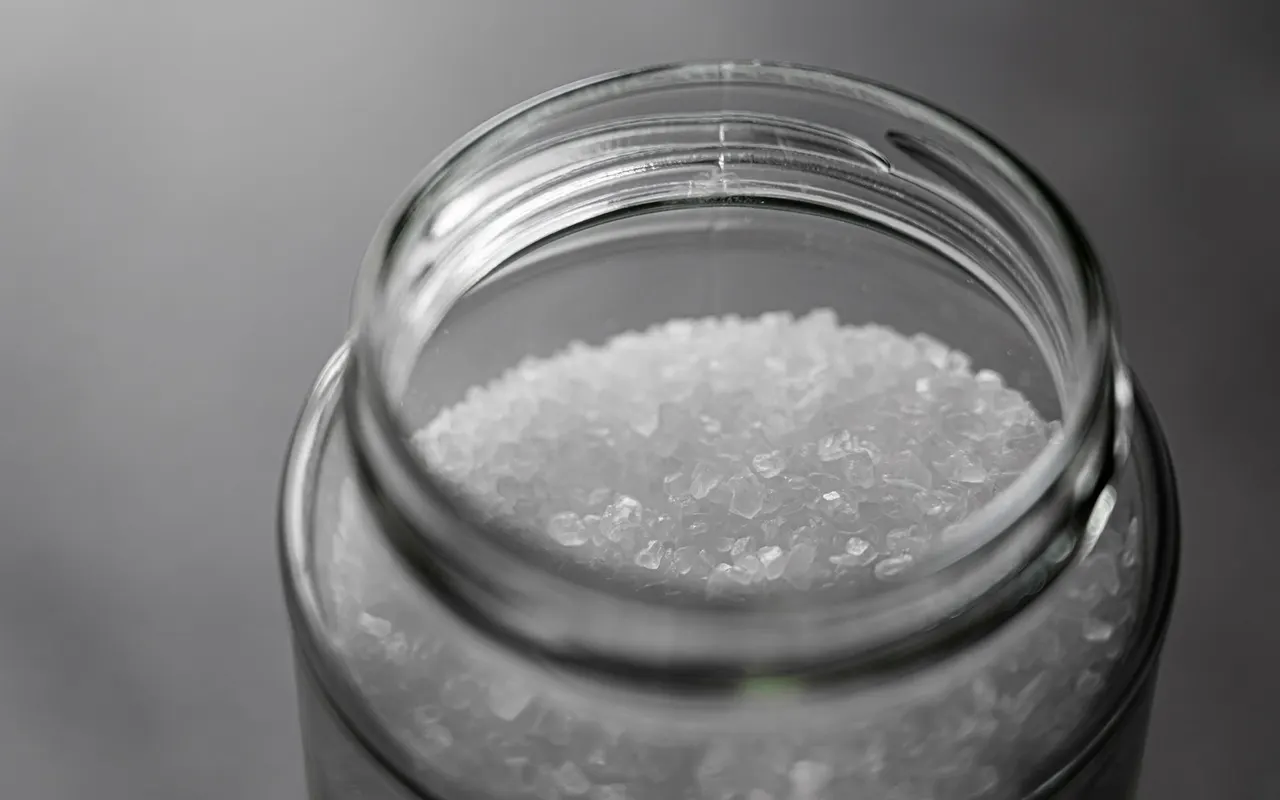
The salt water cure is one of the best-known remedies in classical feng shui. It’s a simple jar of salt, water and coins, and it’s used to “absorb” negative energy in a particular part of the home, usually wherever the year’s troublesome stars are said to fall. It also has a reputation for being slightly mysterious, partly because most instructions online skip the reasoning and mix up two quite different practices.
This guide explains what the salt cure is and where it comes from, how to make the classic version step by step, where and when it’s placed, how to maintain and dispose of it safely, and how it differs from simpler salt bowls used for general cleansing. I’ll also cover the practical precautions, because salt water and furniture don’t mix well.
Key takeaways
- The classic salt water cure is a glass jar of coarse salt and water with six metal coins, left uncovered.
- It comes from the Flying Stars school of classical feng shui and is used mainly against the annual #2 (illness) and #5 (misfortune) stars.
- For the 2026 lunar year, those stars are generally given as #5 in the south and #2 in the northwest. Charts change every February.
- Replace it when a thick crust forms or the water evaporates, and at least once a year. Dispose of it down the drain and wash your hands.
- A simple bowl of salt is a separate, gentler practice for general “clearing”, not the same as the cure.
What the salt water cure is
The salt water cure is a container of salt, water and metal coins. Salt has long been associated with purification in many cultures, and in feng shui it’s said to absorb stagnant or negative qi. The metal coins add the metal element. In the five element cycle, metal drains earth, and the two problem stars the cure is designed for are both earth stars. My guide to the five elements explains that cycle in more detail.
Where the cure comes from: the Flying Stars
The cure belongs to Flying Stars (Xuan Kong Fei Xing), a classical compass-based school. It assigns numbers from 1 to 9, called stars, to the nine sectors of a home, and the stars move each year (and each month). Two are considered especially troublesome:
- #2, the illness star, associated with health problems.
- #5, the misfortune or “five yellow” star, associated with accidents, setbacks and loss.
Both are earth stars. Practitioners place metal remedies, including the salt water cure and six-rod metal wind chimes, in the sectors where these stars fall that year. The Western, front door approach to feng shui doesn’t use the Flying Stars, so the salt cure is a classical practice rather than a universal one.
Where the stars fall in 2026
In the Flying Stars system, the annual chart changes at Li Chun, the start of spring in the Chinese solar calendar, around 4 February. For the year from early February 2026 to early February 2027, the centre star is generally given as 1, which puts the #5 star in the south and the #2 star in the northwest. If you’re reading this after early February 2027, the positions will have moved, so check a current annual chart.
To find these sectors in your home, you need the compass method: stand at the centre of your floor plan, find south and northwest, and mark the corresponding ninths of the plan. My guide to using the bagua map explains how to divide the plan with the compass method.
What you need
| Item | Notes |
|---|---|
| A glass jar or vase | Clear glass, wide mouth, around 15 to 25 cm tall. Avoid metal and plastic. |
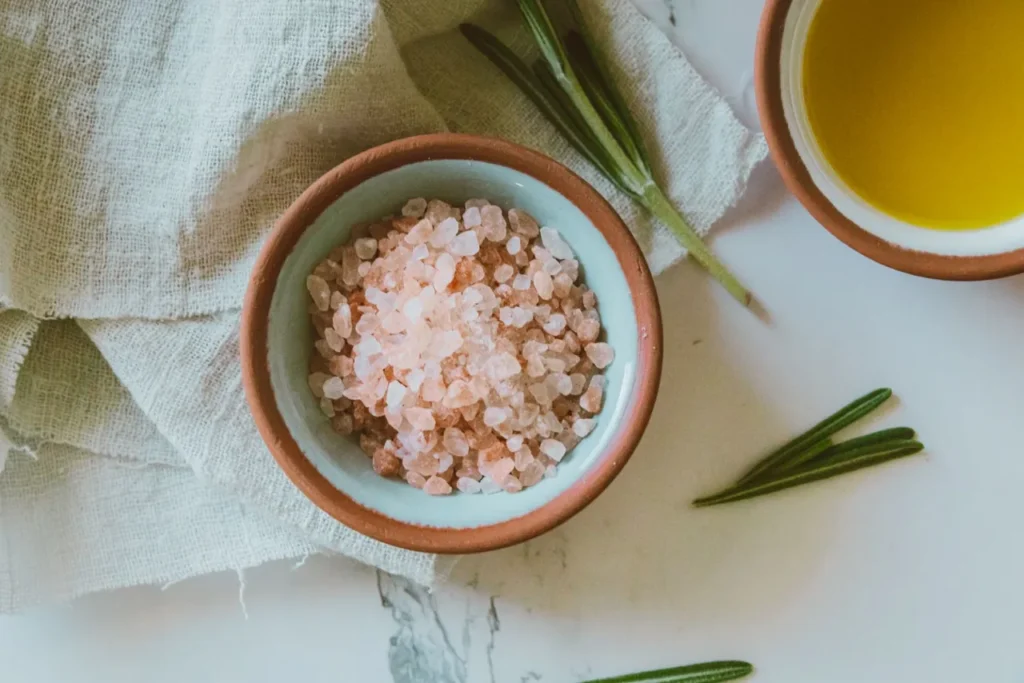
| Coarse salt | Sea salt or rock salt; enough to fill the jar about halfway to two-thirds. |
| Six metal coins | Traditionally Chinese coins with a square hole; six is the number linked with metal. Other metal coins are sometimes used. |
| Water | Tap water is fine. |
| A saucer or tray | To protect the surface underneath from salt creep. |
| Gloves (optional) | For disposing of the old cure. |
If you want to use Chinese coins, my guide on what coins mean in feng shui explains the yang side (four characters) and the yin side (two characters).
How to make the salt water cure
- Clean the jar and dry it.
- Fill it with salt to about half or two-thirds of its height.
- Place the six coins on top of the salt, yang side up. Some versions stack them; others spread them out.
- Add water slowly until it nearly reaches the top. Leave a little space.
- Leave it uncovered. The cure is meant to be open so it can “absorb” energy.
- Place it on a saucer or tray in the chosen sector.
Where to place it
- In the sector where the #2 or #5 star falls that year, ideally near the centre of that part of the home.
- Somewhere it won’t be knocked over, out of reach of children and pets.
- Out of sight if you prefer: behind furniture or in a cupboard with the door slightly open is acceptable to many practitioners.
- Not in direct sunlight on a windowsill, which speeds up evaporation and crusting.
If the affected sector is a bedroom, some practitioners still place the cure there, while others prefer metal wind chimes or brass objects. If you’re unsure, a classical practitioner can assess your specific home.
Maintenance and replacement
Over time the water evaporates and the salt crystallises up the sides of the jar, sometimes forming a thick crust. That’s normal and is often described as the cure “working”. Maintain it like this:
- Top up the water if it drops but the crust is light.
- Replace the whole cure when a heavy crust has formed, the water has gone, or the coins have corroded.
- Replace it at least once a year, at the start of the new annual chart, moving it to the new sector.
Disposing of an old cure
Practitioners usually treat the old cure as something to get rid of, not reuse. Wear gloves if you like, take it outside or to a sink, pour the water and dissolved salt down the drain with plenty of running water, put the solid salt in the outdoor bin, and wash the jar thoroughly or replace it. The coins are traditionally discarded rather than reused. Wash your hands afterwards. It’s a symbolic act as much as a practical one: the “absorbed” energy goes out of the home.
Practical precautions
- Salt creep. Salt crystals climb out of the jar and can damage wood, stone and metal surfaces. Always use a saucer or tray.
- Children and pets. Salt water is harmful if swallowed in quantity, especially by pets. Place the cure out of reach.
- Corrosion. Keep it away from electronics and metal fittings.
- Spills. Wipe salt water up promptly; it marks floors and fabrics.
Salt cure versus a salt bowl
A different and simpler practice is often confused with the salt water cure: a small bowl of dry salt placed in a room, often in a corner, to “clear” the atmosphere after an illness, an argument or a move. It’s used more freely, isn’t tied to the Flying Stars, and is usually replaced every few weeks.
| Salt water cure | Salt bowl | |
|---|---|---|
| School | Classical, Flying Stars | General modern practice |
| Ingredients | Salt, water, six coins | Dry salt only |
| Container | Glass jar, uncovered | Small bowl |
| Placement | Sector of the annual #2 or #5 star | Any room needing a “reset” |
| Replaced | When crusted, and yearly | Every few weeks |
A balanced view
The salt water cure is a traditional remedy from a specific school, and its effects aren’t something that can be demonstrated. Many people find the ritual of making, placing and replacing it reassuring, especially at the start of a new year. If you don’t follow Flying Stars, the more universal steps of clearing clutter, fixing what’s broken and keeping each room clean and aired cover much of the same ground.
Frequently asked questions
How do you make a feng shui salt cure?
Fill a glass jar halfway with coarse salt, place six metal coins on top yang side up, add water almost to the top, and leave it uncovered on a saucer.
Where should I put a salt water cure?
In the sector where the annual #2 or #5 Flying Star falls. For the 2026 lunar year these are generally given as the northwest and the south.
How often should I change the salt cure?
When a heavy crust forms or the water evaporates, and at least once a year when the annual chart changes.
How do I dispose of a salt cure?
Pour the water and salt down a drain with plenty of running water, put solid salt in the outdoor bin, discard the coins, and wash the jar and your hands.
Can I use table salt?
Coarse sea salt or rock salt is traditional. Table salt dissolves faster and is less commonly used.
Is the salt cure safe around pets?
Salt water can be harmful to pets if drunk. Place the cure well out of reach.