

“Where is my wealth corner?” is one of the first questions people ask when they start with feng shui. The answer depends on which method you follow. There are two, and they often point to different corners of the same home. Neither is wrong; they come from different schools. This guide explains both, shows you how to find yours, and covers what tradition suggests putting there (and what to keep out).
Key takeaways
- Western (door-based) method: stand at your front door looking in. The wealth corner is the far left corner of the home or room.
- Compass (classical) method: the wealth area is the southeast part of the home, found with a compass.
- Pick one method and use it consistently. Mixing them is the most common source of confusion.
- The wealth area is linked to the wood element: healthy plants, the colours green and purple, and a little water to “feed” the wood.
- Clutter, a bin, broken objects or dying plants are the traditional things to clear out first.
Method 1: the door-based (Western) bagua
The Western or “Black Hat” approach, popularised in the United States from the 1980s, lines the bagua map up with the wall that holds your front door. It’s simple and doesn’t need a compass.
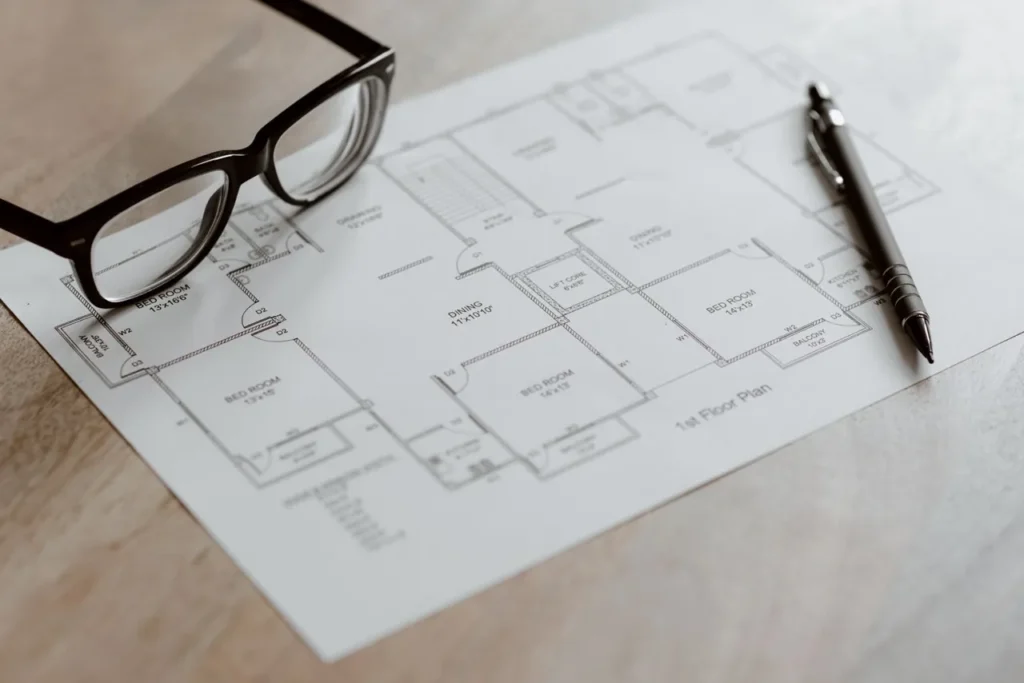
- Sketch your floor plan, or picture it from above.
- Divide it into a 3×3 grid of nine equal sections.
- Stand in the front doorway looking into the home. The wall you’re standing in is the bottom row of the grid.
- The far left square (back left, from the doorway) is the wealth and abundance area.
The same grid can be laid over a single room, using the room’s door instead of the front door. That’s why people talk about the “wealth corner of the living room” or “of the bedroom”.
Method 2: the compass (classical) bagua
Classical schools fix each life area to a compass direction. Wealth is linked to the southeast, the direction associated with the wood element and the trigram Xun (wind).
- Stand near the centre of your home with a compass or a compass app.
- Note where southeast falls on your floor plan.
- That sector (one ninth of the plan, centred on southeast) is your wealth area.
If your front door faces north (so you look south as you step inside), the two methods happen to land in the same corner. For most homes they don’t, so choose one. The free bagua corner finder shows both maps side by side once you tell it which wall your door is on and which way your plan is oriented.
What to put in the wealth corner
The wealth area belongs to the wood element, and the traditional advice is to “feed” wood, avoid what weakens it, and keep the area lively and cared for.
| Idea | Element logic | Examples |
|---|---|---|
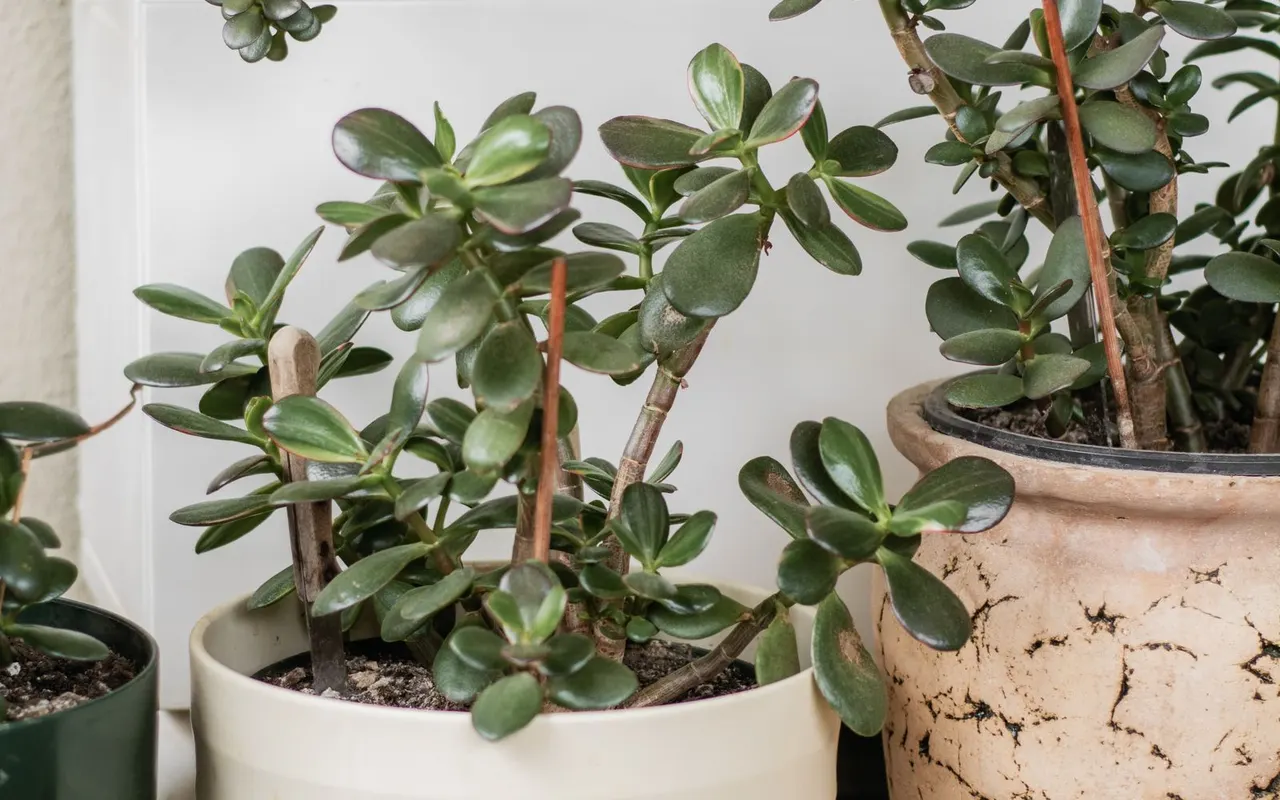
| Healthy plants | Wood itself: growth | Jade plant, money tree, lucky bamboo, any thriving plant with rounded leaves |
| A little water | Water nourishes wood | A small fountain, a vase of fresh water, an image of water |
| Green and purple | Wood colour; purple is linked to wealth in many bagua charts | A cushion, throw, vase or artwork |
| Symbols of abundance | Personal meaning | A bowl of coins, a lucky cat, a money jar |
| Good light | Keeps the area “active” | A lamp that gets used, open curtains |
If you choose water, keep it clean and moving; a still, cloudy bowl is the opposite of what the tradition intends. My guide on where to put a water fountain covers the usual spots and the ones to avoid.
Keep it simple. One healthy plant and a clear surface is closer to the spirit of the advice than a corner crowded with lucky objects. My guide on what to put in your wealth corner goes through more options, and if you like the idea of a living symbol, there’s a separate guide to placing a money tree, the plant most often chosen for this spot.
What to keep out of it
- Clutter and storage boxes. The single most repeated piece of feng shui advice for this area.
- A rubbish bin or recycling. Symbolically “throwing away” money.
- Dead or dying plants and dried flowers. Wood that isn’t growing.
- Lots of metal. In the five-element cycle, metal cuts wood. A metal frame is fine; a corner full of metal shelving is traditionally discouraged.
- Too much fire. Fire burns wood, so a fireplace or lots of red in the wealth area is often balanced with plants or water.
- Broken things. A cracked vase or a lamp that doesn’t work.
What if the wealth corner is a bathroom or a missing corner?
This is common, and it worries people more than it needs to. Bathrooms are linked with water draining away, so the usual remedies are to keep the toilet lid down and the door closed, fix any leaks and add a healthy plant. In an L-shaped home the wealth area may fall outside the walls altogether, and practitioners mark the missing corner outside or work with the wealth corner of individual rooms instead. I’ve written a separate guide to wealth corners in bathrooms, kitchens and missing spaces that works through each case and the element logic behind the fixes.
Finding the wealth corner in a flat or a single room
In a flat, use your own front door, not the building’s entrance. Sketch the flat’s outline, including any rooms you can reach only from a hallway, and lay the grid over the whole thing. If the far left section lands in a neighbour’s flat because of the building’s shape, that part of your plan is “missing”, and the advice above applies.
For a single room, stand in the room’s doorway looking in. The far left corner is that room’s wealth corner in the door-based method. With the compass method, find southeast within the room. This room-level approach is useful in shared homes, where you only control your own bedroom, and in homes where the main wealth area falls somewhere awkward. The bagua grid itself, including how to handle irregular rooms, is explained step by step in my guide to using the bagua map.
Setting up the wealth corner: a short sequence
- Clear it completely. Take everything out of the corner, clean the floor, walls and window if there is one.
- Repair anything broken. A blown bulb, a cracked pot, a sticking drawer.
- Add one living thing. A healthy plant suited to the light.
- Add colour lightly. A green or purple cushion, vase or print.
- Add one meaningful object, if you like. Something that represents what abundance means to you: a photo of a place you’re saving for, a bowl of coins, or a money jar you add to regularly.
- Keep it up. Water the plant, dust the surface, clear anything that drifts back in.
The last step matters more than people expect. A wealth corner that’s set up carefully and then left to gather dust ends up sending the opposite message.
A realistic note
Feng shui is a traditional practice, not a financial strategy. What the wealth-corner tradition reliably gives you is a reason to clear one corner, care for a plant and set an intention. Many people find that helpful in itself. It won’t replace a budget, and no reputable practitioner claims it will.
Frequently asked questions
Is the wealth corner always southeast?
Only in the compass method. In the door-based Western method it’s the far left corner from the entrance, whatever the compass says.
Which method is more accurate?
Neither can be proven more accurate; they come from different schools. Classical practitioners use the compass, while the door-based method is more common in Western books and blogs. Pick one and use it consistently.
Can I have a wealth corner in every room?
Yes. Both methods can be applied to a single room as well as the whole home. Many people focus on the living room or home office.
What’s the best plant for the wealth corner?
A healthy one. Jade plants and money trees are traditional choices, but any thriving plant with soft or rounded leaves fits the wood element.