

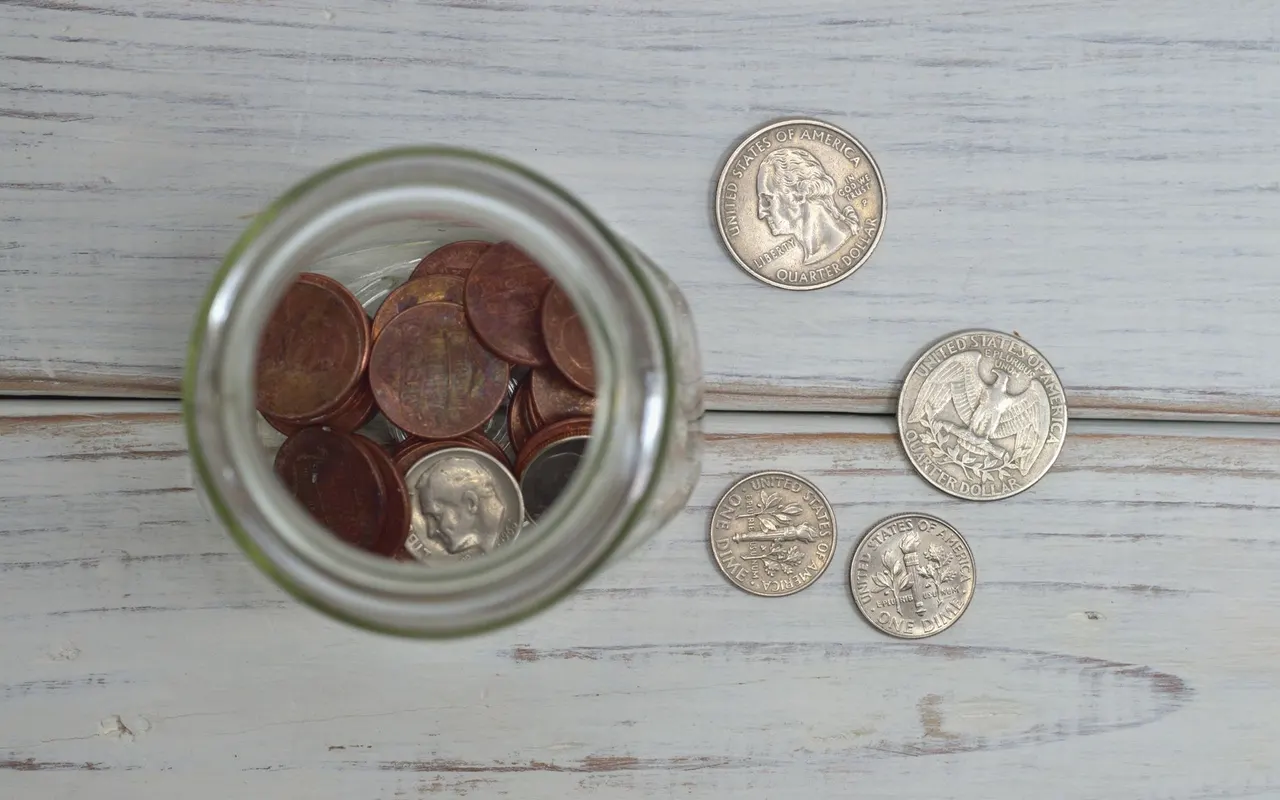
A feng shui money jar is one of the simplest wealth projects you can do at home: a container filled with coins and a few symbolic items, kept in your wealth corner and added to over time. It’s popular because it’s cheap, hands-on and doubles as a savings habit. It’s also one of the more loosely defined practices online, with “ingredients” that range from traditional Chinese coins to cinnamon sticks and crystals.
In this guide I’ll explain where the money jar idea comes from, which parts are traditional and which are modern additions, how to choose a jar and fill it step by step, where to keep it, and how to look after it so it stays meaningful rather than becoming another dusty object on a shelf.
Key takeaways
- The money jar is a modern, simplified take on older traditions such as the wealth vase and the money bowl.
- The core is simple: a lidded or open container, coins, and a few items that represent abundance to you.
- Chinese coins on red ribbon, a little rice or grain, and something green or purple are common traditional touches. Crystals and herbs are modern additions.
- Keep it in the wealth corner of your home, living room or desk, and add a coin regularly.
- Keep it full, clean and in use. An empty or neglected jar sends the opposite message.
Where the money jar comes from
Several traditions sit behind the money jar. In Chinese and Tibetan Buddhist practice, a wealth vase is a sealed vessel filled with precious substances, grains and blessed items, often prepared with ritual and kept in a protected place. In everyday Chinese homes, a rice jar kept full was a sign of a household that would never go hungry, and many families avoid letting it run empty. Chinese merchants also kept money bowls or containers of coins at the till.
The modern feng shui money jar borrows from all of these in a simple, accessible form. It isn’t a classical ritual object, and you don’t need a teacher to make one. It’s best thought of as a symbolic project with a practical side: a visible reminder of your savings goals that you physically add to.
Choosing the jar
| Option | Why people choose it | Things to consider |
|---|---|---|
| Glass jar with a lid | You can see it filling up | Glass relates to water, which feeds wood in the wealth area |
| Ceramic jar or pot | Earth element, solid and traditional | Choose one with a wide mouth and a lid |
| Wooden box | Wood element, ideal for the wealth area | Keep it dry and well sealed |
| Metal tin | Durable and easy to find | Metal cuts wood in the element cycle; many people avoid it in the wealth corner |
| Bowl | Traditional “money bowl”; open and generous | Gathers dust; keep it clean |
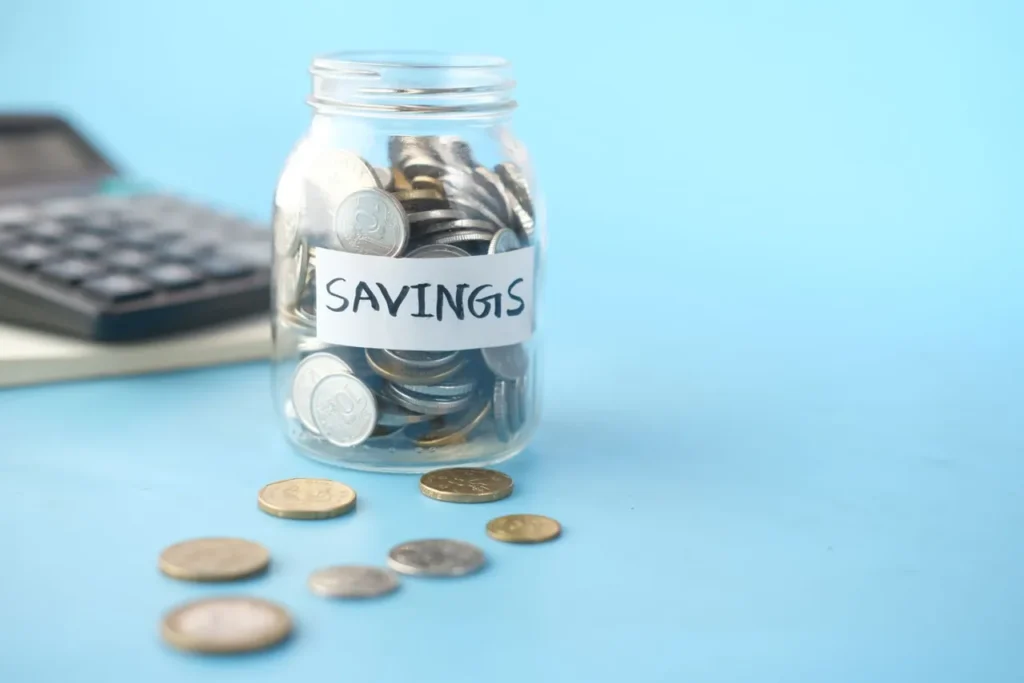
Most practitioners suggest a container with a round or wide body and a narrower neck or lid, which is said to hold wealth in. Choose something you find attractive and that suits the room. A jar you like looking at is one you’ll keep using.
What to put inside
There’s no fixed recipe. The items below are grouped by how traditional they are, so you can choose:
Traditional elements
- Coins in your own currency. The base of the jar.
- Chinese coins tied with red ribbon. Round coins with a square hole, usually in threes or nines, symbolising heaven and earth. My guide on what coins mean in feng shui explains the numbers and the “yang side up” rule.
- Rice or grain. A layer at the bottom echoes the full rice jar tradition.
- Something red. A red ribbon around the neck, a red envelope inside, or a red lining. Red is auspicious in Chinese culture.
Modern and personal additions
- A written goal. A note with a specific savings goal, folded inside.
- Citrine, pyrite or green aventurine. Popular in modern Western practice; not part of classical feng shui.
- Cinnamon, bay leaves or basil. Borrowed from folk “prosperity” traditions; optional.
- A small token of something you’re saving for. A photo, a key ring, a ticket stub.
Avoid anything that will rot, attract insects or go mouldy, such as fresh herbs or fruit, and avoid sharp or broken items.
How to make the jar, step by step
- Clean the jar. Wash and dry it thoroughly. Some people also “clear” it symbolically by leaving it in sunlight for a few hours.
- Choose your intention. Decide what the jar is for: a specific goal, a general savings habit, or a sense of abundance. Write it down if you like.
- Add a base layer. A little rice or grain at the bottom.
- Add your Chinese coins, if you’re using them, four-character side up.
- Add your first coins. Many people start with a meaningful number, such as eight (associated with prosperity in Chinese culture because it sounds like the word for wealth) or nine.
- Add your personal items. The written goal, a small token, a crystal if you like.
- Close or tie the jar. A red ribbon around the neck is a traditional finishing touch.
- Place it. See the next section.
Where to keep the money jar
- The wealth corner of your home. The far left corner from the front door, or the southeast in the compass method. My guide to finding the wealth corner explains both.
- The wealth corner of a room. The far left corner of your living room or home office, as seen from that room’s door.
- The far left corner of your desk. The desk-level wealth area; a good choice for a small jar.
- Somewhere you’ll see it daily. The jar works best when you remember to add to it.
Places usually avoided: the bathroom, directly opposite or beside the front door (where the money “flows straight out”), on the floor, and hidden in a cluttered cupboard. Raise it on a shelf or table. If your wealth corner is in an awkward place, such as a bathroom, use a room-level corner instead; I cover the alternatives in my guide on wealth corners in difficult rooms.
Looking after the jar
- Add to it regularly. A coin a day, your change at the end of each week, or a set amount each payday. The habit is the point.
- Keep it fuller rather than emptier. Tradition prefers a full vessel. If you spend from it, top it up.
- Keep it clean. Dust it weekly and keep the space around it clear.
- Refresh it. Once a year, or when a goal is reached, empty the jar, bank or spend the money as planned, clean it and start again with a new intention.
- Replace anything broken. A cracked jar or frayed ribbon is traditionally replaced.
Using the money for real
One of the most useful things about a money jar is that the coins are real. Many people use the contents for a goal: a holiday, a gift, or a deposit into savings. Some prefer to bank the coins every few months while keeping a small “seed” amount and the symbolic items in the jar, so it’s never empty. Either is in keeping with the idea. What tradition would discourage is taking money out for things you didn’t plan, or leaving the jar to sit untouched for years.
A money jar as a gift
A money jar makes a thoughtful housewarming, wedding or new-business gift, and giving one is in keeping with the Chinese tradition of gifting coins and red envelopes at important moments. If you’re making one for someone else, start it with a meaningful number of coins (eight is the usual choice), add Chinese coins on red ribbon and a short handwritten note of good wishes, and leave space for them to add their own items and intention. Explain briefly what it is and suggest they place it in their wealth corner, so the gift doesn’t end up in a drawer.
Money jars for children
For children, a money jar is a natural way to teach saving. A clear jar works best, because they can watch it fill. Let them decorate it, choose what it’s for and add their own coins. In feng shui terms, it can sit in the children and creativity area of the home, or the wealth corner of their bedroom. Practically, the lesson is the same as for adults: put a little aside regularly, and decide in advance what the money is for.
Combining the jar with the rest of the wealth corner
The jar doesn’t need to stand alone. Most people pair it with a healthy plant, which adds the wood element the wealth area is linked with, and perhaps a touch of purple or green. Keep the grouping small, two or three things, so the corner looks cared for rather than crowded. My guide on what to put in your wealth corner has combinations for different rooms.
Money jar, money bowl or wealth vase?
| Money jar | Money bowl | Wealth vase | |
|---|---|---|---|
| Origin | Modern, simplified | Chinese merchant tradition | Tibetan and Chinese Buddhist practice |
| Container | Any jar, usually lidded | Open bowl | Sealed vase |
| Contents | Coins and personal items | Coins, sometimes crystals | Grains, precious items, blessed objects |
| Added to? | Yes, regularly | Yes | No, sealed after filling |
| Ritual | Optional | Optional | Traditionally prepared with ritual |
A realistic note
A money jar won’t change your income. What it does well is give you a small, visible habit of putting money aside and a reminder of what you’re saving for, which is genuinely useful. Many people find it more motivating than a number in a banking app.
Frequently asked questions
What do you put in a feng shui money jar?
Coins, often Chinese coins tied with red ribbon, a little rice or grain, a written goal and any small items that represent abundance to you.
Where should I put my money jar?
In the wealth corner of your home, a room or your desk, raised up and where you’ll see it daily. Avoid the bathroom and the front door.
Can I spend the money in my money jar?
Yes. Many people spend it on a planned goal, then clean the jar and start again. Keeping a small amount in the jar is traditional.
What kind of jar should I use?
Glass, ceramic or wood, with a lid or narrow neck. Many people avoid metal in the wealth corner.
How often should I add to the jar?
Regularly. Daily, weekly or each payday all work. Consistency matters more than amount.
Is the money jar traditional feng shui?
It’s a modern simplification of older traditions such as the wealth vase and the money bowl.