

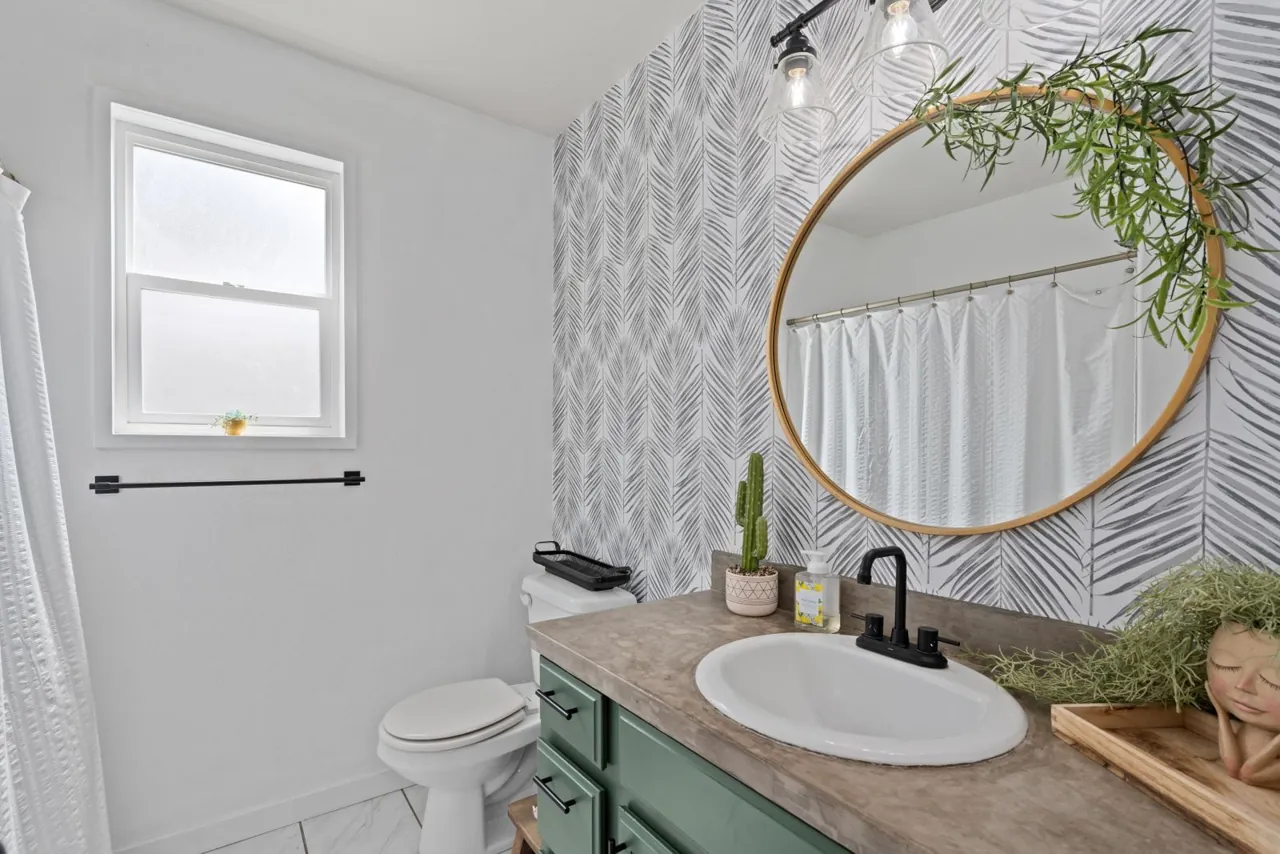
You’ve found your wealth corner on the bagua map, and it turns out to be the bathroom. Or the kitchen. Or, in an L-shaped flat, it isn’t there at all because that corner of the floor plan is outside. This happens to a lot of people, and most feng shui advice skips it, assuming you have a tidy, square room to put a money plant in.
This guide is about the awkward cases. I’ll explain what traditional feng shui says about each problem, the logic of the five elements behind the usual fixes, and what you can practically do, including what’s worth doing and what’s mostly worry. Where schools disagree, I’ll say so.
Key takeaways
- The wealth corner (often called the xun or “wealth and abundance” area) is associated with the wood element, growth and the colours green and purple.
- A bathroom in the wealth corner is a common concern because of water draining away. The usual fixes are to keep it closed, clean and dry, and to add healthy plants.
- A kitchen in the wealth corner is less of a worry than many people think. Keep the stove clean and working, and add a little wood energy.
- A missing wealth corner, from an L-shaped or irregular plan, is usually addressed by “completing” the shape, either outside or by working with the wealth corner of individual rooms.
- Every room has its own wealth corner, so you always have somewhere to work.
First, check you’ve located it correctly
Before changing anything, make sure the problem is real. There are two main ways to find the wealth corner, and they often give different answers. The Western, or BTB, method lines the bagua up with the front door, which puts the wealth area in the far left corner as you stand inside the door looking in. Classical, compass-based feng shui uses actual directions, so the wealth area is in the southeast of the home.
If your bathroom is in the far left corner by one method, it may not be in the southeast by the other. Pick one method and use it consistently. My guide on finding your wealth corner walks through both approaches with diagrams, and the bagua corner finder tool will mark the area for you if you enter your door position or compass direction.
Why element logic drives the fixes
Most of the advice below comes from the five element cycle. The wealth area is linked with wood. In the productive cycle, water feeds wood, wood feeds fire, fire creates earth, earth produces metal and metal holds water. In the controlling cycle, metal cuts wood, wood breaks earth, earth absorbs water, water puts out fire and fire melts metal.
So when a room in the wealth corner is dominated by one element, practitioners look at whether that element supports wood (water does), drains it (fire does, by consuming it), or attacks it (metal does). The fixes are usually about adding wood, adding what feeds wood, or calming whatever drains it. If you’d like the full picture of how the cycles work, my explainer on the five elements covers each one with examples.
When the wealth corner is a bathroom
This is the case people worry about most. Bathrooms are where water leaves the home through drains and the toilet, and the traditional image is of money flowing away with it.
How serious is it? Opinions vary. Some practitioners treat it as one of the more significant layout problems. Others point out that water feeds wood in the element cycle, so a bathroom in the wood-ruled wealth area is less damaging than, say, a bathroom in an earth area. What everyone agrees on is that a neglected, damp or leaky bathroom is the real issue.
What to do:
- Keep it closed. Bathroom door shut, toilet lid down, plugs in the sink and bath when not in use. This is the most widely given advice, and it costs nothing.
- Fix leaks. A dripping tap or a running cistern is the classic symbol of wealth leaking away, and it’s also money leaking away in a literal sense.
- Add healthy plants. Plants bring wood energy and use the moisture. Ferns, pothos and peace lilies cope with bathroom humidity; pick something that suits the light.
- Use wood-friendly colours. Green towels, a green bath mat or botanical prints add wood energy without any remodelling.
- Keep it fresh. Good ventilation, no mould, nothing stored on the floor. A clean, bright bathroom is far less of a feng shui concern than a dim, damp one.
When the wealth corner is the kitchen
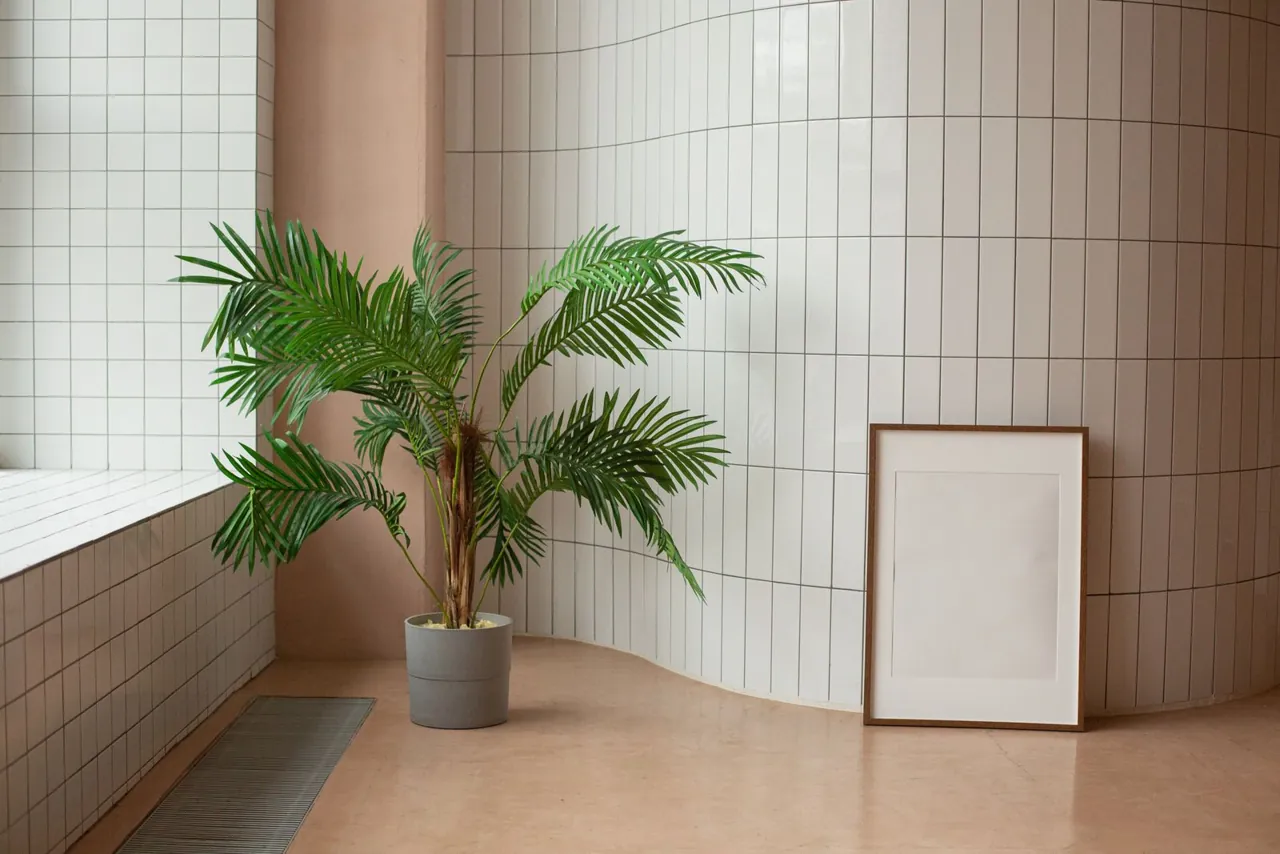
What tradition says: The kitchen is dominated by fire (the stove) and water (the sink). Fire consumes wood, so some practitioners say a kitchen “burns up” the wealth area’s energy. Others see the kitchen, the place of nourishment, as a reasonable room for the wealth area to land in, provided the stove is in good order.
What to do:
- Keep the stove clean and every burner working. In classical feng shui, the stove symbolises the household’s ability to provide, so a broken burner gets attention in any area.
- Add a little wood: herbs on the windowsill, a bowl of fresh fruit or green accents.
- Don’t place the sink and stove right next to each other if you’re planning a new kitchen; many schools recommend a gap or something wooden, such as a chopping board, between them. In an existing kitchen, don’t worry about rebuilding.
- Keep the counters in that corner clear. A wealth corner covered in post and empty jars sends a poor message, whatever room it’s in.
If you’re also thinking about stove placement generally, my guide to kitchen layout covers the cook’s position and the sink and stove relationship.
When the wealth corner is missing
In L-shaped, U-shaped and irregular homes, laying the bagua over the floor plan sometimes leaves one area outside the building. If that’s the wealth area, it’s described as “missing”.
How serious is it? Most schools consider a missing area worth addressing, but the response is practical rather than dramatic.
What to do:
- Complete the shape outside. If the missing corner is a garden, patio or balcony, mark the point where the corner would be with a plant, an outdoor light, a stone, a flag or a garden feature. The idea is to “square off” the plan symbolically.
- Use mirrors on the inside walls. A mirror on a wall that borders the missing area is a traditional way of visually extending the room into it. Make sure it doesn’t face a door or reflect anything you don’t want doubled.
- Work with room-level corners. Every room has its own wealth corner. If the home-level area is missing, give extra care to the wealth corner of the living room or your office.
When the wealth corner is a storeroom, garage or laundry
These rooms aren’t treated as harmful in themselves, but they tend to fill up with clutter, which is the main thing feng shui associates with stuck energy. Clear what you can, organise the rest into closed storage, make sure the room is lit, and add one deliberate object, such as a plant or a piece of art you like. Broken items in particular are traditionally removed from a wealth area.
When it’s a child’s room or a guest room
Nothing needs to change. A bedroom in the wealth area is fine. You can add some wood colours or a plant if it suits the room, but don’t fill a child’s room with money symbols. Practitioners usually suggest putting the main wealth enhancements in rooms you use, such as the living room or office, and using their room-level wealth corners.
Using the room-level wealth corner
This is the most useful idea in this whole guide: you can apply the bagua to any single room by standing in its doorway. The far left corner of that room is its wealth area. So even if your home’s wealth corner is an unavoidable bathroom, the far left corner of your living room or desk area is available.
What goes there is a matter of choice. Classic options include a healthy plant with rounded leaves, something purple or green, a small water feature (moving water, kept clean) or a meaningful object that represents abundance to you. For a fuller list with the reasoning behind each, my guide to what to put in your wealth corner covers the traditional items and the ones to leave out. Some people also like to keep a feng shui money jar there as a reminder of their savings goals.
Quick reference: problem rooms in the wealth corner
| Room in the wealth area | Traditional concern | Element angle | Main fixes |
|---|---|---|---|
| Bathroom or toilet | Wealth drains away | Water feeds wood, but drains take it out | Door closed, leaks fixed, plants, green accents |
| Kitchen | Fire consumes wood | Fire drains wood | Clean working stove, herbs, green accents, clear counters |
| Missing (outside the plan) | Area is absent | n/a | Mark the corner outside, mirror on bordering wall, use room corners |
| Storeroom, garage, laundry | Stuck energy from clutter | Depends on contents | Clear, organise, light, one deliberate object |
| Bedroom | None significant | n/a | Optional plant or colour; enhance other rooms |
| Hallway or stairs | Energy moves through quickly | n/a | Rug, plant, art to slow the space |
Colours that help
The wealth area’s traditional colours are green (wood), purple and some reds. Blues and black represent water, which feeds wood, so they’re also considered supportive in moderation. White and metallics represent metal, which cuts wood in the controlling cycle, so many practitioners use them sparingly here. My guide to feng shui colours for wealth goes into shades and how to use them without repainting a whole room.
A note on expectations
Feng shui is a traditional practice, not a financial plan. A bathroom in your wealth corner doesn’t decide your income, and a plant in the right corner won’t replace a budget. What these fixes reliably do is make the space better kept, brighter and more pleasant, and give you a small daily reminder of what you’re working towards. That’s a reasonable thing to want from a corner of your home.
Frequently asked questions
Is a bathroom in the wealth corner bad feng shui?
It’s traditionally considered a challenge because water drains away. Keeping the door closed, the toilet lid down, leaks fixed and adding plants are the usual remedies.
What should I do if my wealth corner is missing?
Mark the missing corner outside with a plant, light or stone if you can, use a mirror on a bordering inside wall, and focus on the wealth corners of individual rooms.
Is a kitchen in the wealth corner a problem?
Some practitioners see fire draining the wood energy of the area. Keep the stove clean and working and add a little wood energy through herbs, plants or green accents.
Can every room have a wealth corner?
Yes. Stand in the room’s doorway and the far left corner is its wealth area in the BTB method. This lets you work with the wealth area even if the home’s main one is awkward.
What colours should I avoid in the wealth corner?
Large amounts of white and metallics are often used sparingly here, because metal cuts wood in the controlling cycle. Small accents are fine.
Which bagua method should I use?
Either works; just use one consistently. The front door method is simpler; the compass method is the classical approach.