

Spring is the season feng shui links most closely with new beginnings. In the five element system it belongs to wood, the element of growth, and in the Chinese calendar it marks the start of the year, from Li Chun in early February through to early May. It’s the traditional time to clear out what built up over winter, let fresh air and light back in, and set the home up for the year ahead.
This guide explains why spring matters in feng shui, then walks through a practical spring reset: clearing, cleaning, airing, bringing in wood energy, rebalancing colour and light, and refreshing the areas of the bagua you want to focus on. It’s written for ordinary homes, so nothing here requires special objects.
Key takeaways
- Spring corresponds to the wood element and to the east, the direction of sunrise and new growth.
- The Chinese solar year begins at Li Chun, around 4 February, which is why many people do their feng shui “spring clean” before or around Lunar New Year.
- Clearing clutter and cleaning come first; a spring reset is mostly about letting stale winter energy out.
- Plants, flowers, fresh greens and lighter fabrics bring in the season’s wood energy.
- Spring is a good moment to refresh the annual feng shui of your home if you follow the Flying Stars.
Why spring matters in feng shui
The five elements are also understood as phases of the year. Wood is spring: sap rising, buds opening, growth that’s flexible and upward. Fire follows as summer, earth as late summer and the turning points between seasons, metal as autumn and water as winter. Spring wood is fed by winter water in the productive cycle, so the shift from the still, inward energy of winter to the active energy of spring is a natural one. My guide to the five elements explains these cycles.
In yin and yang terms, spring is the point where yang begins to grow again after the yin of winter. Days lengthen, light increases and activity picks up. A home that’s still arranged for winter, with heavy curtains drawn, dark throws and windows sealed, can start to feel stale. My guide to yin and yang covers how to shift a room’s balance.
Timing: Li Chun and Lunar New Year
The traditional Chinese calendar marks the start of spring at Li Chun, around 4 February, and celebrates Lunar New Year at the new moon between late January and mid-February. Many families clean the home thoroughly just before the new year, then avoid sweeping on New Year’s Day itself so as not to sweep away the incoming luck. You don’t have to follow those dates. Any point in early spring, when the weather allows windows to open, works for a seasonal reset.
Step 1: clear what you don’t need
Winter tends to leave a layer of things behind: piles of post, unused gifts, outdoor gear, extra blankets. Clearing them is the first step of almost every feng shui practice, and spring is the traditional time to do it thoroughly.
- Start with the entrance. Clear the floor, the hooks and any surface near the door.
- Go room by room, deciding what to keep, store, donate or recycle.
- Pack away heavy winter items you won’t need again until autumn.
- Fix or let go of broken things. A spring reset is a good moment to deal with the small repairs that have been put off.
Step 2: clean and air the home
Once clutter is cleared, clean surfaces, floors and especially windows. Clean windows let in more light, which feng shui treats as fresh yang energy. Then open the windows wide on a mild day and let the air move through the home for a while. Many people like to open windows on opposite sides of the home to create a through-draught, a direct expression of the “wind” in feng shui’s name.
Step 3: bring in wood energy
Wood is the element of spring, so this is the season to add it:
- Plants. Repot plants that have outgrown their pots, cut back anything struggling, and add a new healthy plant where a room feels flat. My guide to the best feng shui plants by room suggests options for different light levels.
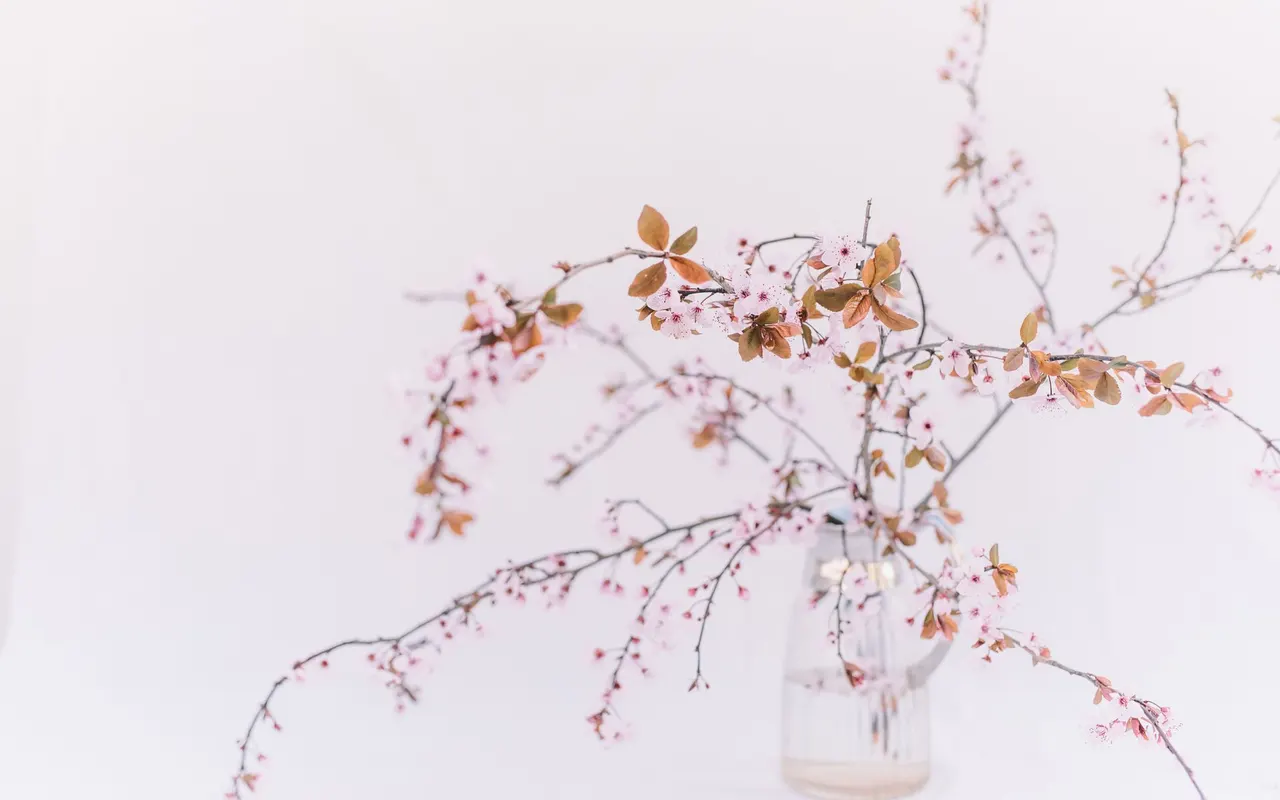
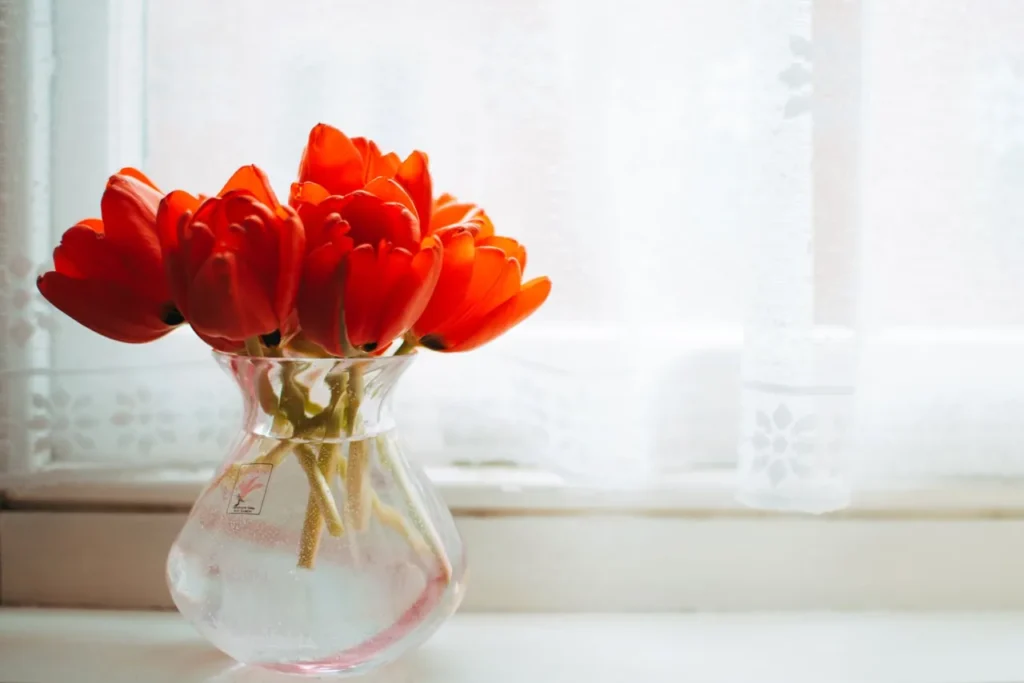
- Fresh flowers. Spring flowers such as tulips, daffodils and blossom branches are traditional. Replace them before they wilt.
- Greens and soft pastels. Swap a winter throw for a green, cream or soft pastel one.
- Natural fabrics. Cotton and linen in place of heavy wool and velvet.
- Vertical shapes. Tall vases and stems, striped textiles and upward-growing plants all suggest wood’s rising energy.
Step 4: rebalance light and colour
Winter homes lean yin: low light, heavy textiles, darker colours. In spring, practitioners suggest nudging rooms back towards balance:
- Open curtains fully during the day, and consider lighter curtains for the warmer months.
- Replace any dim bulbs, and clean lampshades.
- Bring lighter, fresher colours into cushions, throws and table linen.
- Move furniture slightly so it doesn’t block windows.
Step 5: focus on the east and on growth
The east of the home corresponds to wood, spring and, in the bagua, family and health. It’s a natural place to give extra attention in spring: clear it, add a healthy plant and family photos, and make sure it’s well lit. If you use the front door bagua, the equivalent area is the middle of the left-hand wall as you stand in the doorway.
Step 6: refresh the annual feng shui
If you follow the Flying Stars school, the annual chart changes at Li Chun, and early spring is when remedies are moved to their new positions. My guide on making a salt water cure explains one of the most common annual remedies and where the troublesome stars fall this year.
Outdoors in spring
- Clear the path to your front door, sweep the step and wash the door.
- Replace dead plants by the entrance with healthy ones.
- Check the outdoor light and the house number.
- If you have a garden, clear winter debris, prune and plant. Spring planting is a direct expression of the season’s wood energy.
A spring checklist
| Task | Why |
|---|---|
| Clear the entrance | Lets fresh energy into the home |
| Declutter room by room | Removes winter’s stagnant energy |
| Clean windows | More light, more yang |
| Air the home | Fresh “wind” through the space |
| Repot and add plants | Wood energy for the season |
| Swap heavy fabrics for lighter ones | Shift from yin towards balance |
| Fix small broken things | Removes small drains |
| Refresh the east of the home | Wood, family and growth |
| Update annual remedies (if you use them) | New Flying Stars chart |
Frequently asked questions
Which element is spring in feng shui?
Wood, the element of growth, flexibility and new beginnings.
When is the best time for a feng shui spring clean?
Traditionally before Lunar New Year or around Li Chun in early February. Any time in early spring, when windows can be opened, works.
Should I avoid cleaning on Lunar New Year?
Many families avoid sweeping on New Year’s Day so as not to sweep away good fortune. Clean the days before instead.
What plants are good for spring feng shui?
Any healthy plant suited to your light. Spring bulbs, blossom branches and fresh greenery are traditional choices.
Which part of the home should I focus on in spring?
The entrance first, then the east of the home, which corresponds to wood and spring.
Do I need special objects for spring feng shui?
No. Clearing, cleaning, airing and adding plants do most of the work.