

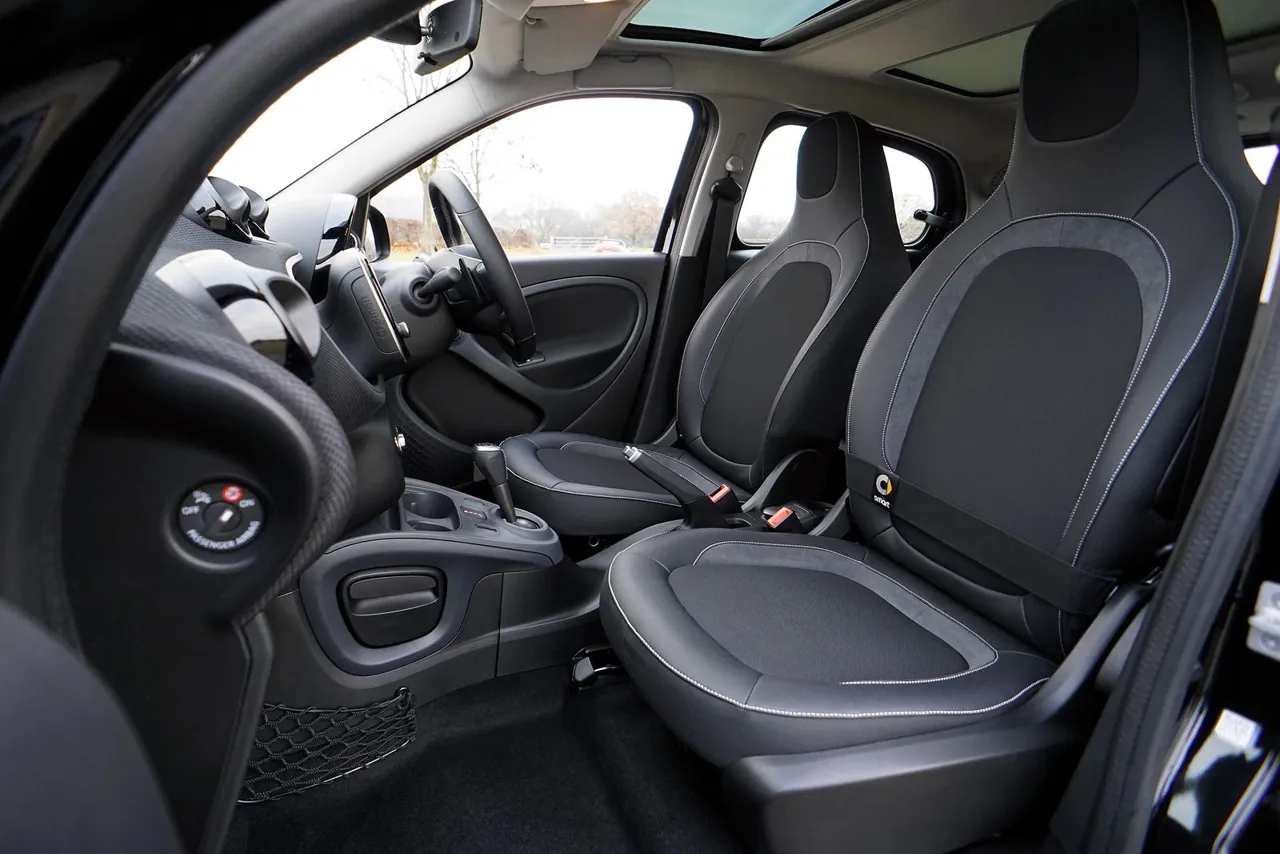
Feng shui is about the spaces you spend time in, and for many people the car is one of them: a daily commute, school runs, long drives. Classical feng shui says nothing about cars, of course, but its everyday principles (clear space, comfort, safety, a sense of calm) translate easily. You can’t “feng shui” an engine. What you can do is make the inside of the car a calmer, tidier place to be.
Key takeaways
- Car feng shui is a modern adaptation of everyday principles, not a classical practice.
- Clutter is the main thing to tackle: keep the cabin, boot and footwells clear.
- Safety comes first. Nothing should block your view, distract you or slide under the pedals.
- Small, secure touches (a calming scent, a single meaningful charm) are fine; keep them off the windscreen and dashboard airbags.
- Regular maintenance is the practical side of “keeping energy flowing”.
Start with clutter
Feng shui treats clutter as stagnant energy, and a car collects it faster than any room: receipts, bottles, wrappers, kids’ things, a bag that’s been in the boot for months. A quick weekly clear-out makes the biggest difference.
- Keep a small bin or bag in the door pocket and empty it whenever you fill up.
- Give each regular item a home: sunglasses in the console, a first-aid kit and warning triangle in the boot.
- Clear the footwell on the driver’s side completely; loose items can roll under the pedals.
The same thinking applies at home; see why clutter clearing comes first.
The driver’s seat as a “command position”
In the home, feng shui recommends a command position: a solid back, a clear view of what’s coming. In a car, that simply means a well-adjusted seat and mirrors, so you’re supported and can see around you without strain. Take two minutes to set seat height, backrest, steering wheel and all three mirrors properly. It’s the most useful car “feng shui” you can do. At home the same idea decides where the bed and desk go, as I explain in my guide to the command position.
Calm, not distraction
| Idea | Feng shui reasoning | Keep it safe by… |
|---|---|---|
| A mild scent | Fresh, pleasant air | Choosing something subtle; strong scents can cause headaches |
| A small charm or keepsake | A personal symbol of protection | Keeping it in the console or glovebox, not hanging where it swings or blocks your view |
| Calming colours (seat covers, mats) | Balancing an otherwise metal-heavy space | Making sure covers don’t interfere with side airbags or seat belts |
| A clean windscreen | Clear vision, inside and out | Cleaning the inside of the glass too |
Many drivers in East Asia hang a small charm or tassel from the rear-view mirror. Be aware that in some countries an obstructed view can be an offence, so a charm in the glovebox or attached to your keys is the safer choice. If you want to choose a charm for its traditional meaning, my guide to lucky symbols and where they go covers the common ones.
Family cars and long journeys
Cars that carry children, pets or a lot of gear clutter up fastest. A few habits keep them manageable:
- Give each child a seat-back organiser or a small box for their own things, and empty it at the end of the week.
- Keep one lidded crate in the boot for things that genuinely live in the car (blanket, umbrella, cables, a spare bag).
- Take everything else into the house at the end of each trip, not “next time”.
- On long journeys, pack snacks and drinks in one bag within reach of the passenger, so nothing rolls around the footwells.
A tidy car is also a safer one: loose objects can become projectiles under hard braking, so secure anything heavy.
Does car colour matter in feng shui?
People sometimes ask whether there is a “lucky” car colour. Classical feng shui doesn’t address it, but modern writers sometimes match car colours to the five elements and to a person’s own element: green for wood, red for fire, yellow and earthy tones for earth, white and silver for metal, and black or dark blue for water. If you’d like to try that, you can work out your element with my guide to finding your feng shui element.
In practice, the colour you like and feel comfortable driving is the best choice. Visibility, heat in summer and resale value are sensible practical considerations alongside any symbolic ones.
Maintenance as flow
If feng shui is about energy moving smoothly, the practical version for a car is regular servicing, correct tyre pressures, working lights and a fixed rattle. A car that runs well is less stressful to drive, which is the real goal.
Fresh air in the cabin
Feng shui puts a lot of weight on fresh, moving air, and a car is a small sealed box. Open the windows for a few minutes after the car has been standing in the sun, avoid leaving food or damp gym kit inside, and check when the cabin air filter was last changed; it’s a routine service item that many owners forget. A car that smells clean usually doesn’t need an air freshener at all, and if you do use one, a mild scent is easier on everyone than a strong one.
A quick weekly routine
- Empty the bin bag and door pockets.
- Remove anything that doesn’t need to live in the car.
- Wipe the dashboard and inside of the windscreen.
- Check the driver’s footwell is clear.
- Glance at tyres and lights.
Frequently asked questions
Is it bad feng shui to hang things from the rear-view mirror?
Feng shui itself doesn’t forbid it, and many drivers in Asia do it. The practical issue is safety: anything that swings or blocks your view is a distraction, and in some countries it can be an offence. A charm on your keys or in the glovebox avoids the problem.
Where should I keep a protective charm in the car?
Somewhere secure that doesn’t affect your view, the airbags or the controls: the glovebox, the centre console or attached to your keys.
Can a clean car really feel different?
Most people find a clear, clean cabin less stressful to drive in, which is the practical heart of car feng shui. It’s a matter of comfort and calm rather than luck.