

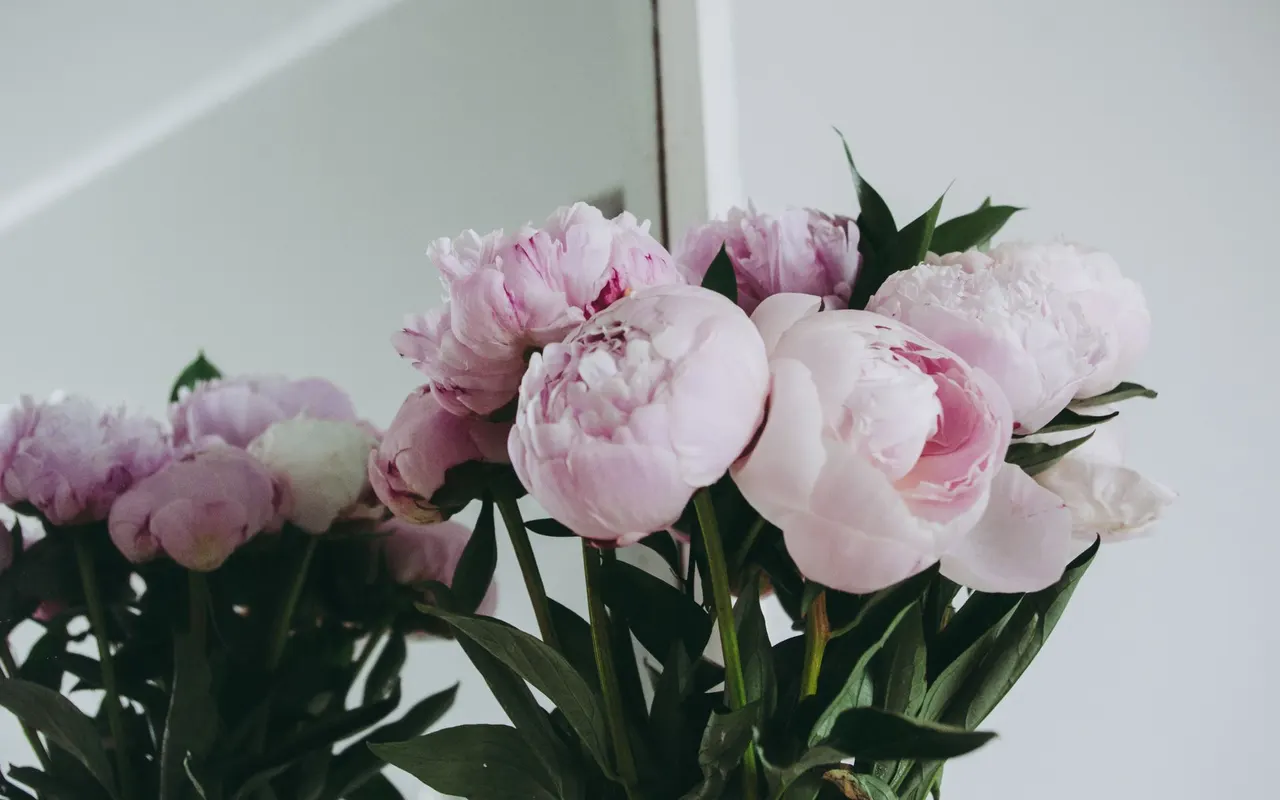
The love corner, or relationship area, is one of the most searched parts of the bagua. It’s linked with partnership, marriage and, more broadly, every close relationship in your life, including the one you have with yourself. It’s also an area where feng shui advice tends towards the sentimental, with long lists of pink objects and heart-shaped crystals.
This guide takes a calmer approach. I’ll explain where the love corner is under both bagua methods, its element and colours, the traditional principle of pairs, what to place there and what to keep out, and how the bedroom fits in. There are separate sections for people who are single and looking, and for couples who want to strengthen what they have.
Key takeaways
- In the front door method, the love corner is the far right corner as you stand inside the door. In the compass method, it’s the southwest.
- Its element is earth, supported by fire. Soft pinks, reds, peach, terracotta and warm whites are the traditional colours.
- Pairs are the central idea: two candles, two cushions, a pair of mandarin ducks, a photo of two people.
- Clutter, single solitary images, broken items and reminders of past relationships are traditionally kept out.
- The bedroom matters as much as the corner: balanced bedside tables, a solid headboard and space on both sides of the bed.
Where the love corner is
With the front door (Western) method, stand just inside your front door looking in. The far right corner of your home is the relationship area. With the compass (classical) method, the relationship area is the southwest of your home, found with a compass from the centre of your floor plan. The two methods often point to different corners, so choose one and stick with it. My guide to using the bagua map covers both in detail, and the bagua corner finder will mark the corner on a simple plan.
You can also apply the bagua to a single room. Many people work with the far right corner of their bedroom as the room-level love corner.
Element and colours
The relationship area corresponds to the Kun trigram, which represents earth, receptivity and the mother figure. Its element is earth. In the productive cycle, fire produces earth, so fire supports the area too. The traditional colours reflect both:
| Colour | Element | How it’s used |
|---|---|---|
| Soft pink, blush | Fire (softened) / earth | The classic love colour: walls, cushions, flowers |
| Red | Fire | Accents for passion; used sparingly |
| Peach, coral | Fire / earth | Warm, welcoming accents |
| Terracotta, sand, ochre | Earth | Grounding: pots, rugs, throws |
| Warm white, cream | Metal (soft) | A calm base for the other colours |
Wood controls earth in the five element cycle, so many practitioners use fewer plants and green here, and they keep metal moderate because metal drains earth. My guide to the five elements explains these relationships.
The principle of pairs
The single most consistent piece of love corner advice is to use pairs. Two of something represents partnership; a single item can be read as solitude. Common choices:
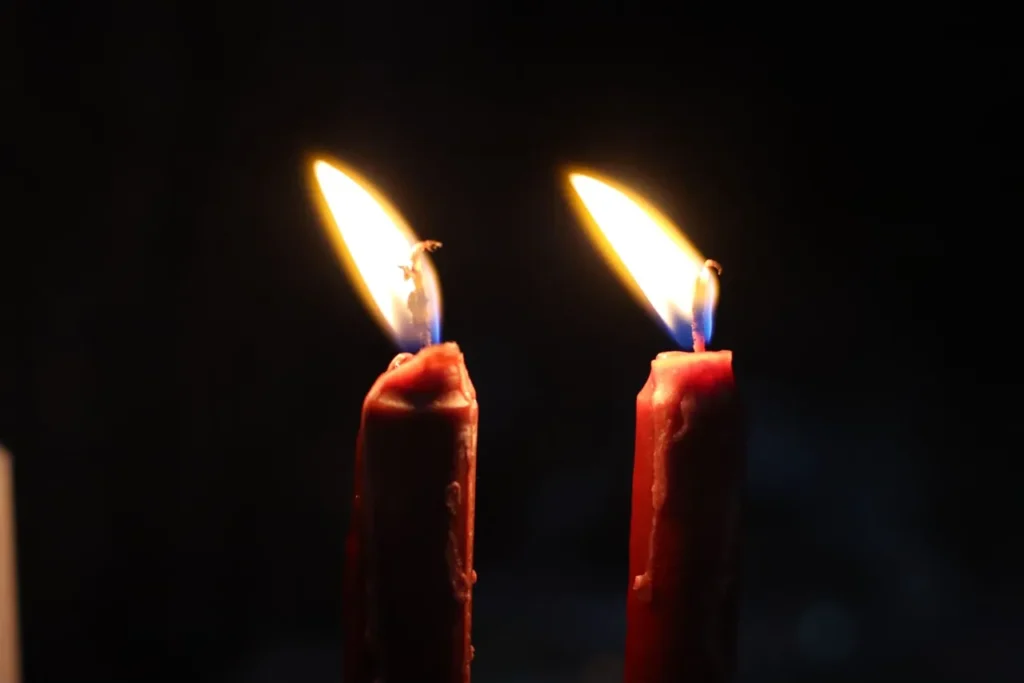
- Two candles, ideally pink or red, which bring fire and light together.
- Two matching cushions, vases or small sculptures.
- A pair of mandarin ducks facing each other, a traditional Chinese symbol of lasting partnership.
- Two rose quartz stones, a popular modern addition.
- A photo of you and your partner looking happy, or of two people together.
- Art showing two figures, two birds or two flowers.
Mandarin ducks are one of the 15 objects in my lucky symbols placement table, which also covers the mystic knot, another traditional relationship symbol.
What to keep out
- Clutter. A love corner full of storage boxes or piles of paper is the first thing practitioners clear.
- Solitary images. A single figure, a lone tree, one bird.
- Reminders of past relationships. Gifts, photos or letters from former partners.
- Broken or dead things. A cracked vase, a stopped clock, dried flowers.
- Sharp, aggressive or tense imagery. Weapons, angular metal sculptures, images of conflict.
- Exercise equipment and work. These bring an energy that doesn’t suit the area.
The bedroom: where relationships are traditionally shaped
Many practitioners say the bedroom has as much influence on relationships as the love corner itself. A few bedroom details come up repeatedly:
- Space on both sides of the bed, so each person can get in and out freely. A bed pushed against a wall is said to leave room for only one.
- Matching bedside tables and lamps, giving each person an equal place.
- A solid headboard, ideally a single piece across the bed. My guide to headboards to avoid explains why split headboards are discouraged.
- Soft, warm colours. My guide to feng shui bedroom colours covers palettes that suit couples.
- No mirror facing the bed, which is traditionally said to “invite a third party”.
- No work, exercise gear or clutter in the bedroom where possible.
If you’re single and looking
For people hoping to meet a partner, practitioners often suggest making literal and symbolic room:
- Clear space in your wardrobe and a drawer, as if for someone else’s things.
- Use two bedside tables and keep both sides of the bed accessible.
- Add pairs to the love corner, even simple ones such as two candles.
- Replace solitary art in the bedroom with images of pairs or of things you enjoy.
- Look after yourself in the space. Many teachers emphasise that the relationship area also represents your relationship with yourself; a corner that feels caring is a good start.
If you’re in a relationship
- Choose love corner items together, so the space reflects both of you.
- Put up a recent photo of the two of you that you both like.
- Keep the corner tidy; a neglected relationship corner is said to mirror neglect elsewhere.
- Look at the bedroom details above, especially the balance between the two sides of the bed.
- Remove anything that represents tension or past conflict.
When the love corner is a problem room
If the relationship area falls in a bathroom, keep the door closed, add warm earth colours and a pair of items on a shelf, and keep the room fresh. If it falls in a kitchen, balance the fire with earth tones and keep the stove clean. If it’s missing from an L-shaped plan, mark the outside corner with a pair of planters or lights, and work with the far right corner of the bedroom instead.
Not only romance
The Kun trigram behind the relationship area is about receptivity and nurturing, so many practitioners read this corner more broadly than romance. It’s also linked with close friendships, family bonds, working partnerships and your relationship with yourself. If romance isn’t your focus right now, you can use the same principles for whichever relationships matter most: a photo of you with close friends, a pair of objects that represent a business partnership, or simply a comfortable chair and a good lamp that make the corner somewhere you enjoy spending time. The traditional colours and the idea of pairs still apply, but the personal objects change to suit what you want to nurture.
Common love corner mistakes
- Overloading it with pink. A corner covered in hearts and pink crystals can feel more like a shop display than a relationship. A few warm touches are enough.
- Using odd numbers. Three candles or a single figurine undo the idea of pairs.
- Keeping a former partner’s gifts there because they’re pretty. Most practitioners would move them elsewhere or let them go.
- Ignoring the bedroom. A beautifully arranged love corner doesn’t make up for a bed pushed against a wall with one bedside table and a mirror facing it.
- Setting it up and forgetting it. Dusty candles and wilted flowers send the opposite message. Refresh flowers and keep the area clean.
- Expecting a guarantee. Feng shui can make a home feel warmer and more open; relationships are made by people.
A simple love corner setup
- Clear and clean the corner.
- Remove any solitary images, broken items and reminders of past partners.
- Add a warm colour: a pink or terracotta throw, cushion or vase.
- Add a pair: two candles, two small sculptures or mandarin ducks.
- Add a meaningful image of two people or two things together.
- Light the candles or a lamp now and then, and keep the area maintained.
Frequently asked questions
Where is the love corner in feng shui?
In the front door method, the far right corner as you stand inside the door. In the compass method, the southwest.
What colour is the love corner?
Soft pinks, reds, peach and earth tones such as terracotta, with warm white as a base.
What should I put in my love corner?
Pairs of objects, warm colours, a happy photo of you and your partner, and perhaps a pair of mandarin ducks.
Should I put plants in the love corner?
Many practitioners use few plants here, because wood controls earth. One healthy plant with soft leaves is generally fine.
What should I keep out of the love corner?
Clutter, solitary images, broken things and reminders of former partners.
Is the bedroom the love corner?
Not necessarily, but the bedroom is closely linked to relationships, so its layout matters as much as the corner.