

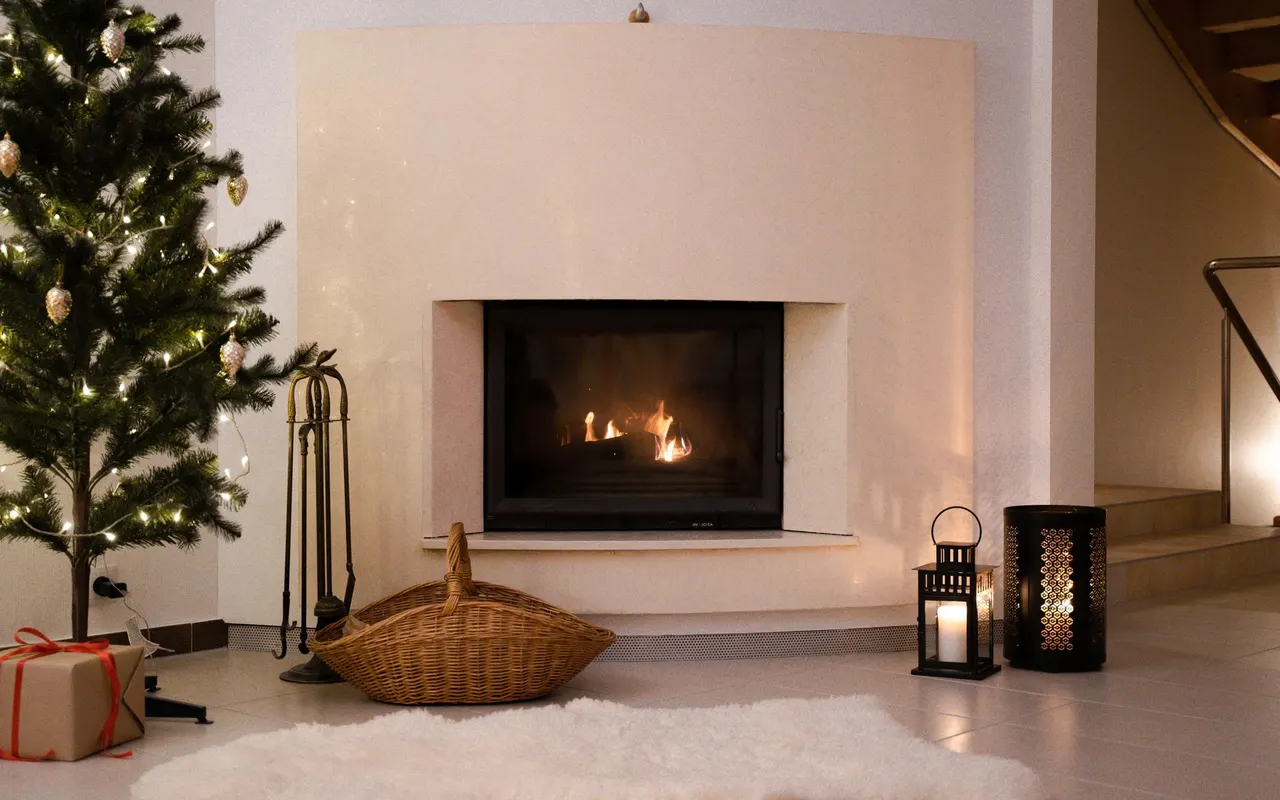
Winter is the most yin time of the year: short days, low light, cold air and a natural pull to stay indoors. In feng shui’s five element system it belongs to water, the element of stillness, depth and rest. That’s not a problem in itself; winter is meant to be a quieter season. But a home that leans too far into winter’s yin can start to feel heavy, damp and gloomy, and that’s where seasonal feng shui helps.
This guide explains how practitioners think about winter, why earth and fire are the usual balancing elements, and how to adjust light, warmth, colour, textiles and routines so your home feels cosy rather than stagnant. There are separate sections for bedrooms, living rooms and entrances, and a short checklist at the end.
Key takeaways
- Winter corresponds to the water element and to the north. It’s naturally yin: dark, cold and still.
- Earth, which controls water, and fire, which brings warmth and light, are the usual balancing elements in winter.
- Warm, layered lighting is the single most effective winter adjustment.
- Heavier natural textiles, warm earth tones and a few fire accents make a home feel cosy without feeling closed in.
- Keep air moving and clutter down. Winter homes become stagnant fastest.
Why winter needs balancing
In the five element cycle, winter is water: the season of rest, storage and reflection, before wood’s growth returns in spring. Water’s colours are black and deep blue, its shapes wavy and irregular, its qualities stillness and depth. In yin and yang terms, winter is deep yin. My guide to yin and yang in feng shui explains the balance in more detail.
A little extra yin in winter is natural. A home that’s entirely yin, though, can feel damp and dull. Practitioners use the element cycles to bring it back towards balance:
- Earth controls water. Earth tones, ceramics, stone and square shapes ground the season’s water energy.
- Fire brings warmth and light. Water controls fire, so fire is the element winter lacks most. Adding it gently restores some yang.
- Wood draws on water. Plants make use of water energy and keep a home feeling alive.
My guide to the five elements covers these relationships with examples.
Light: the first winter adjustment
Light is fire and yang, and winter is short of both. This is the change that makes the biggest difference:
- Layer your lighting. Replace a single overhead light with several sources at different heights: floor lamps, table lamps, wall lights.
- Use warm bulbs. Warm white light feels cosier than cool white in winter.
- Light dark corners. A lamp in a gloomy corner brings it back into use.
- Make the most of daylight. Open curtains fully during the day and keep windows clean.
- Candles. A traditional winter fire element. Use them safely, never unattended.
Warmth and textiles
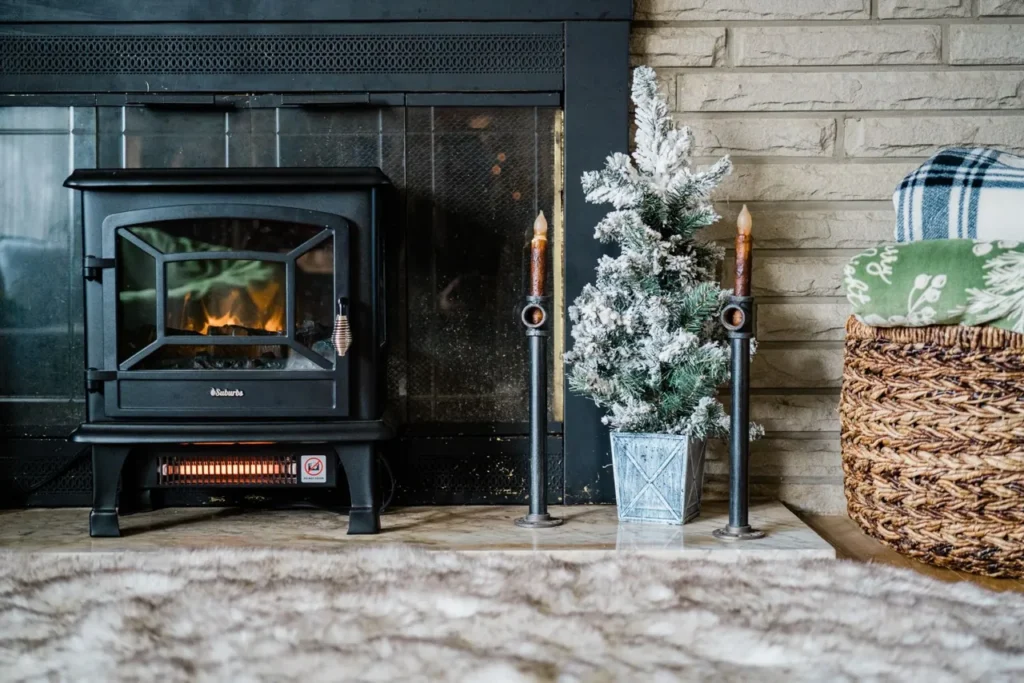
Winter is the season for heavier, natural textiles: wool throws, thicker rugs, lined curtains. These bring physical warmth and a cosy yin softness. To stop them tipping the room too far, choose warm earth and fire colours rather than dark water colours:
| Colour family | Element | Winter use |
|---|---|---|
| Terracotta, ochre, honey, sand | Earth | Throws, rugs, cushions: grounding and warm |
| Rust, burnt orange, deep red | Fire | Accents: warmth and energy |
| Cream, warm white | Metal (soft) | A light base that reflects lamp light |
| Forest green, olive | Wood | Accents and plants: life through the dark months |
| Navy, charcoal, black | Water | Use sparingly in winter; they deepen the season’s yin |
Keep air and energy moving
Closed windows and drawn curtains make winter homes stuffy. Feng shui treats stale air as stagnant energy, and in practical terms it encourages damp and condensation. Open windows briefly each day, even when it’s cold, to let fresh air through. Keep bathrooms and kitchens well ventilated, and deal with condensation and mould promptly. A small amount of movement, such as a ceiling fan on low in a room with heating, or a wind chime by a door that’s opened daily, is also used by some practitioners.
Clutter in winter
Winter adds things to a home: coats, boots, umbrellas, extra bedding, holiday decorations. Keep on top of it, especially at the entrance, where wet boots and piled coats quickly block the door. A tray for boots, enough hooks and a basket for hats and gloves keep the entry clear. Take decorations down promptly after the holidays, so the home doesn’t stay in “celebration” mode into a new season.
Room by room
Bedroom
The bedroom is naturally the most yin room, and winter deepens that. It’s the one room where a little extra yin is welcome, as long as it’s warm and not damp. Layer bedding in warm earth tones, add a rug if the floor is cold, use a warm lamp rather than a bright overhead light, and keep the room aired. My guide to bedroom colours includes warm palettes that work well in winter.
Living room
This is where winter balancing matters most, because it’s where you spend long evenings. Add warmth with lamps and candles, bring in earth and fire colours through cushions and throws, group seating a little closer for conversation, and keep a healthy plant or two. If you have a fireplace, it’s the natural winter centre of the room. My guide to arranging a living room covers seating and flow.
Entrance
Short days mean you often arrive home in the dark. A good outdoor light and a warm light inside the door make the entrance welcoming. Keep the path clear of ice, leaves and clutter, and keep the doormat clean.
Home office
Winter can make a home office feel sluggish. Good task lighting, a desk near the window, a plant and a warm-coloured accent help keep energy up during the working day.
The north of the home
The north corresponds to water and winter, and in the bagua to career and life path. In winter, some practitioners give the north extra care: keep it clean and lit, and balance it with a little metal (which feeds water gently) and a touch of earth, so it doesn’t become cold and neglected.
Winter routines
- Open windows for a few minutes each day.
- Switch from overhead light to lamps in the evening.
- Clear the entrance daily of wet coats and boots.
- Water plants less, but check them regularly; heated air dries them out.
- Wash and air bedding often.
- Plan a thorough clear-out for the end of winter, ahead of spring.
A winter checklist
| Task | Why |
|---|---|
| Layer warm lighting | Adds fire and yang |
| Bring in earth tones and natural textiles | Earth balances winter water |
| Add a few fire accents | Warmth and energy |
| Air rooms daily | Prevents stagnation and damp |
| Keep the entrance clear | Winter clutter collects fastest here |
| Look after plants | Wood keeps the home alive through winter |
| Limit large areas of navy and black | Avoid deepening the season’s yin |
Frequently asked questions
Which element is winter in feng shui?
Water, the element of stillness, depth and rest. Its direction is north.
How do I balance my home in winter?
Add warm, layered light, earth tones and natural textiles, a few fire accents, and keep air moving.
What colours are good for winter feng shui?
Warm earth tones such as terracotta and ochre, fire accents such as rust and deep red, and creams. Use navy and black sparingly.
Are candles good feng shui in winter?
Yes. They bring the fire element that winter lacks. Use them safely.
Should I keep windows closed in winter?
Open them briefly every day. Stale air is stagnant energy in feng shui terms and encourages damp.
Is a cosy, dark room bad feng shui in winter?
A cosy bedroom is fine. Living spaces benefit from more light and warmth so they don’t feel heavy.