

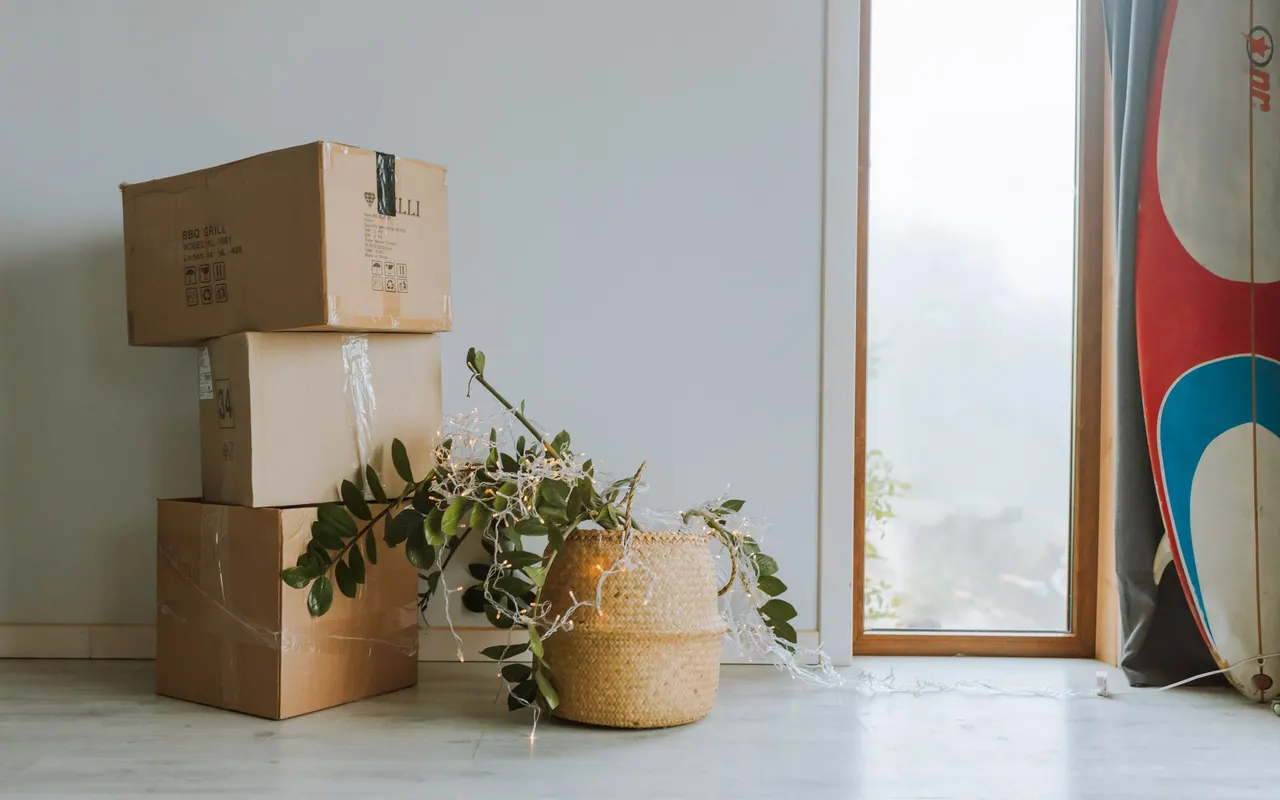
Ask almost any feng shui practitioner where to begin and you’ll get the same answer: clear the clutter first. It’s not the most exciting advice, and it doesn’t involve buying anything, but it comes before furniture placement, colours and cures in nearly every school. The reasoning is simple. Feng shui is about how energy, people and attention move through a home, and clutter gets in the way of all three.
This guide explains why clutter matters in feng shui, where it tends to collect, and a practical way to clear it without spending a whole month on the job.
Key takeaways
- Feng shui treats clutter as stagnant energy: things that are unused, unloved, broken or in the wrong place.
- Clearing comes first because every other adjustment works better in a room that isn’t crowded.
- The entrance, the bedroom, the space under the bed and the corners behind doors are the classic places to start.
- Work in short sessions, one area at a time, and decide where things will go before you start.
- The practical benefits, such as easier cleaning and less time looking for things, are real whether or not you follow feng shui.
What counts as clutter in feng shui
Clutter isn’t just mess. In feng shui terms it’s anything that holds energy still instead of letting it move. That usually falls into a few groups:
- Things you don’t use or love: gifts you feel obliged to keep, gadgets you replaced years ago, clothes that don’t fit.
- Broken or unfinished things: a lamp waiting for a new bulb, a chair with a wobbly leg, a project box you haven’t opened in a year.
- Things in the wrong place: work papers in the bedroom, shoes across the hallway, laundry on the dining chairs.
- Too much of a good thing: shelves so full that nothing on them can be seen, or a wall crowded with frames.
The test most practitioners use is a feeling rather than a rule: when you look at an object, does it lift you or weigh on you? Anything that weighs on you, for whatever reason, is a candidate to go.
Why clutter clearing comes first
In feng shui, qi is said to move through a home like a gentle stream. Long empty corridors make it rush; piles and crowded corners make it slow down and stagnate. Clutter creates exactly those stuck places, which is why practitioners see it as the root problem behind rooms that feel heavy or tiring.
There’s also a practical order-of-work reason. You can’t judge where a bed or sofa should go, or whether a room needs more light or colour, when half of it is hidden under things. Once a room is cleared, the layout problems become obvious, and the fixes are usually smaller than you expected. It’s the first step in my guide to the basic principles of feng shui for exactly that reason.
How clutter affects the way a room feels
Feng shui describes the effects of clutter in energy terms, but most people recognise them in everyday language. A crowded room is harder to clean, so it’s dustier. It’s harder to move through, so you bump into things. Visual noise competes for attention, which makes it harder to relax or focus. And piles of unfinished jobs are a constant, low-level reminder of things you haven’t done.
None of that requires a belief in qi. It’s one reason clutter clearing is the part of feng shui that people who are sceptical about the rest still find useful.
Where clutter collects, and why it matters there
| Area | Why feng shui cares about it | What to clear first |
|---|---|---|
| Front door and hallway | The “mouth of qi”, where energy and people enter | Shoes, coats, post and bags; anything that stops the door opening fully |
| Bedroom | The room for rest and relationships | Work things, laundry, stacks on bedside tables |
| Under the bed | Said to affect sleep, since you lie directly above it | Anything that isn’t soft, clean storage such as spare bedding |
| Behind doors | Blocks the door and the energy coming through it | Hooks overloaded with coats, things stored behind the door |
| Kitchen counters | The kitchen is linked with nourishment and the household’s wellbeing | Appliances you rarely use, piles of post and paperwork |
| The centre of the home | The health and balance area of the bagua | Anything heavy or crowded in the middle of the main living space |
If you’d like to check the bedroom in detail once it’s cleared, my bedroom feng shui checklist goes through the layout point by point.
A practical way to clear
The biggest mistake is trying to do the whole house in one go. A better approach is short, focused sessions:
- Pick one small area. A drawer, a shelf or the hallway, not “the house”.
- Set up four boxes or bags: keep, donate or sell, recycle, and rubbish.
- Empty the area completely and clean it before anything goes back.
- Put back only what you use or love, and give each item a specific home.
- Take the donate and rubbish bags out the same day. Bags left in the hallway become new clutter.
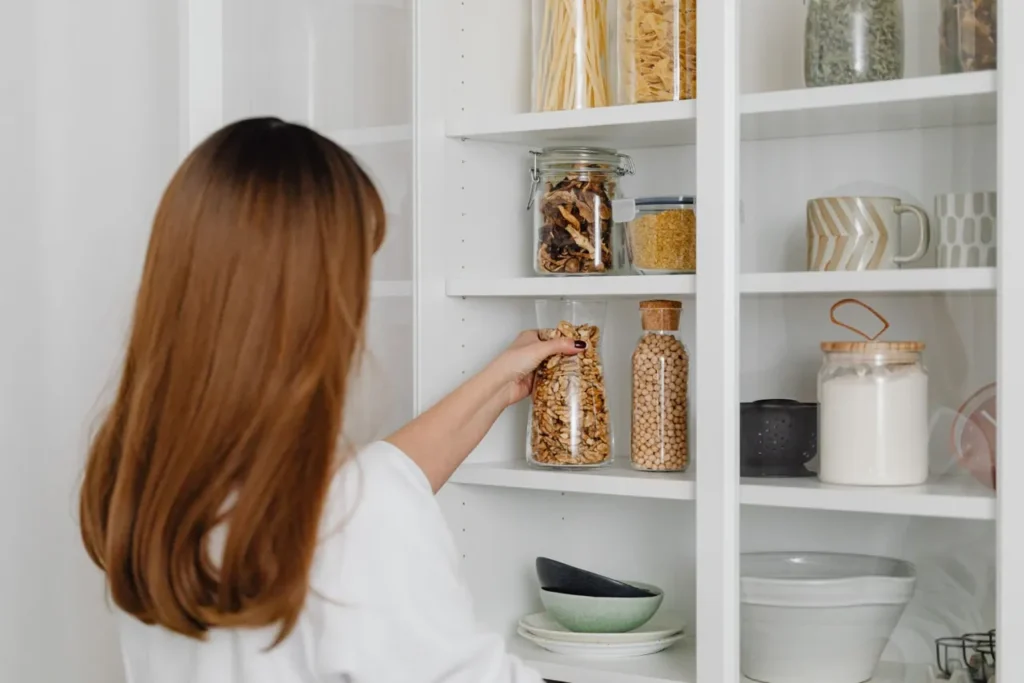
Twenty or thirty minutes a day for two weeks will get most homes into shape without the burnout of a weekend marathon. If you live with other people, clear your own things first and agree shared spaces together; clearing someone else’s belongings without asking rarely ends well.
Sentimental items and gifts
These are the hardest things to let go of, and feng shui doesn’t ask you to throw away everything with a memory attached. The usual advice is to keep the items that genuinely mean something and display or store them with care, rather than keeping everything out of guilt. A box of letters you treasure is fine. A cupboard of gifts you never liked, kept because you feel you should, is the kind of clutter feng shui has in mind.
A few approaches help: photograph things before you let them go, keep one representative item from a collection rather than the whole set, and pass useful things on to someone who’ll use them.
Keeping it clear
Clearing once is the hard part; staying clear is about small habits:
- A “one in, one out” rule for clothes, books and kitchen gadgets.
- Ten minutes at the end of the day to put things back where they live.
- A weekly sweep of the entrance and the kitchen counters.
- A seasonal check of wardrobes, cupboards and the space under the bed.
Once the home is cleared, the next steps are layout and light, and then, if you want, the bagua. My guide to using the bagua map shows how to decide where to focus. And if you’re wondering why decluttering comes before buying any lucky objects, my article on common feng shui mistakes explains the most frequent missteps.
Frequently asked questions
Why is clutter bad feng shui?
Feng shui sees clutter as stagnant energy that blocks the flow of qi through the home. In practical terms, it makes rooms harder to use, clean and relax in.
Where should I start clearing clutter?
The front door and hallway, then the bedroom. They’re the two areas feng shui considers most important, and both are usually quick to improve.
Is storage under the bed bad feng shui?
Many practitioners prefer the space under the bed to be clear. If you need the storage, keep it to soft, clean items such as spare bedding, rather than old papers or things you don’t want.
Do I have to get rid of sentimental things?
No. Keep what genuinely matters to you and look after it. The aim is to let go of things you keep only out of guilt or habit.
How often should I declutter?
Small daily and weekly habits, plus a deeper check each season, keep most homes from drifting back.